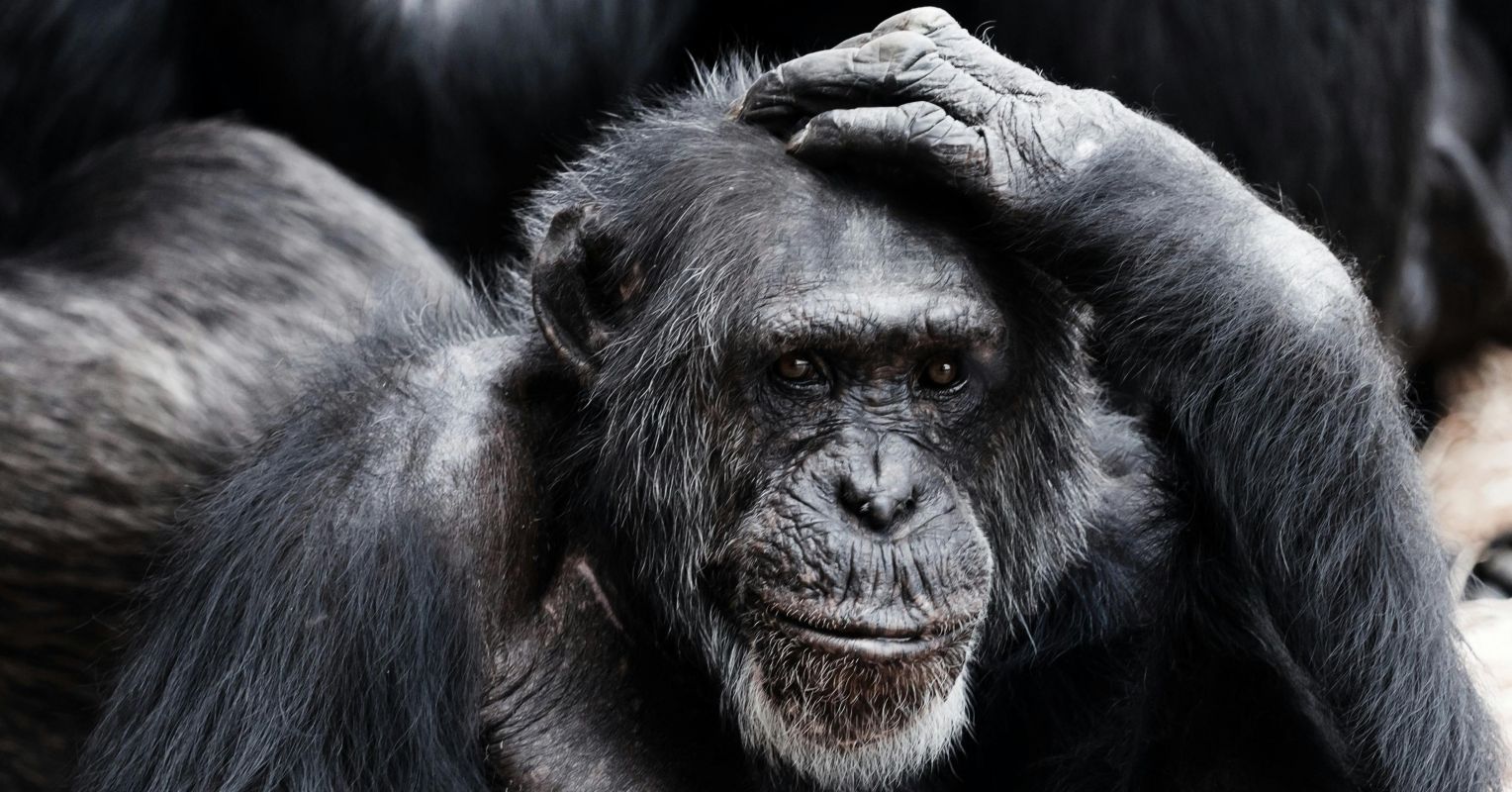
"A large body of scientific evidence stemming from studies of diverse species clearly shows that many nonhuman animals (animals) are sentient beings. 1 These studies also show that the biodiversity of sentience is large and growing, and insects are finding themselves living well within the sentience arena as full members of the sentience club. Research shows that the emotional lives of insects are richer than many of us have ever imagined-not just in the ever-popular bees, but also in flies, mosquitoes, cockroaches, and termites too."
"A growing number of people, including academics and non-academics, are very interested in what animals think and feel. Two recent posts-" The Eclectic Father of Cognitive Ethology" about Donald Griffin's seminal work and an interview with Jonathan Birch titled " The Edge of Sentience: Why Drawing Lines Is So Difficult"-have generated a good number of emails asking me to say more about the study of animal minds (the field called cognitive ethology) and animal sentience."
Sentience means the ability to feel. A large and growing body of scientific evidence shows many nonhuman animals are sentient across diverse taxa. Insects such as bees, flies, mosquitoes, cockroaches, and termites exhibit richer emotional lives than commonly assumed. Cognitive ethology investigates animal minds and draws interest from both academics and non-academics. Several countries have declared that animals, including household companions and wild species, are sentient. Compassionate conservation emphasizes the value of every individual animal, and an individual's experience of joy or pain is that individual's reality rather than a graded property across species.
Read at Psychology Today
Unable to calculate read time
Collection
[
|
...
]