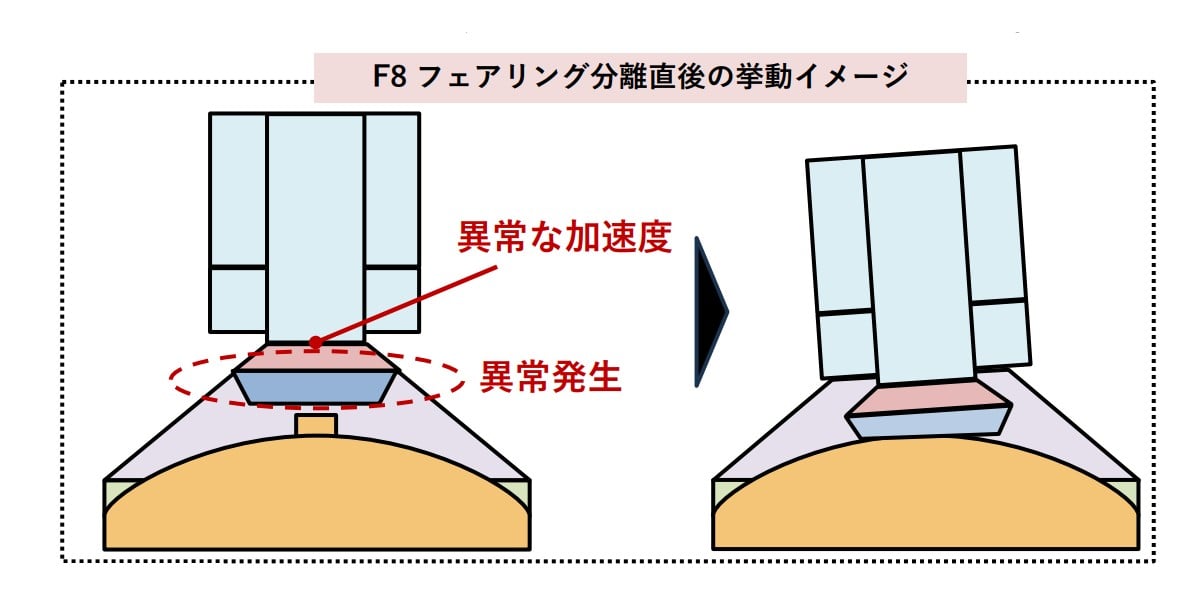
"JAXA's analysis indicated that the manufacturing process for a component holding the satellite payload was flawed, primarily due to unexpected high temperatures that weakened the adhesive used."
"The delamination of the component led to the satellite moving unexpectedly, which ultimately broke a fuel pipe to the second stage, causing the ignition delay."
"JAXA believes the problem was exacerbated by the unusually heavy payload, which made the adhesive issues more apparent during this mission."
"The incident serves as a reminder of the intricate engineering required for space missions, where minor errors can lead to significant failures."
JAXA's investigation into the December 2025 H3 rocket launch failure revealed that manufacturing flaws related to adhesive quality led to the loss of the navigation satellite. High temperatures during production weakened the adhesive, causing a critical component to delaminate when the fairing opened. This resulted in unexpected satellite movement and a broken fuel pipe, delaying ignition. JAXA plans to revise manufacturing processes and possibly redesign the H3 to prevent similar issues in the future, highlighting the complexities of space mission engineering.
Read at Theregister
Unable to calculate read time
Collection
[
|
...
]