"Tanycytes are highways for the brain. They are specialized cells that line the third ventricle of the brain and are unique because they are in direct contact with both the bloodstream and the cerebrospinal fluid (CSF). This means that they can circumvent the blood-brain barrier to allow molecules into and out of the brain."
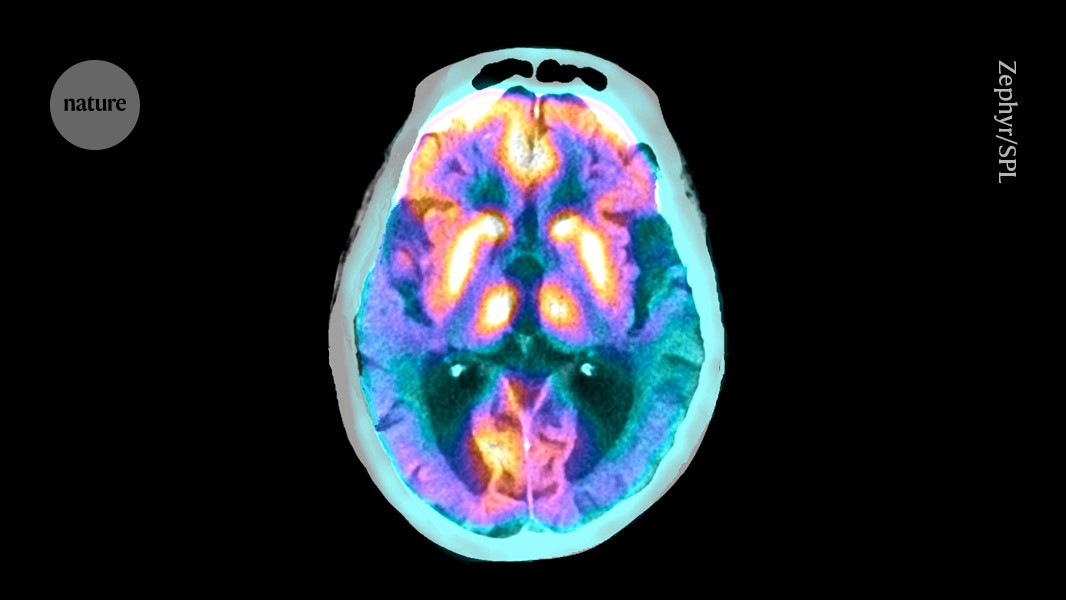
"Tau proteins usually help to support the internal structure of cells and make them stronger, including cells in the brain. But in people with Alzheimer's disease, the protein stops working properly. Tau then becomes sticky, forming clumps in the cells and causing them to die. These tau tangles tend to accumulate in regions of the brain that are involved in memory."
"Although it was known that tanycytes transport molecules into the CSF, researchers are the first to show that tanycytes also transport molecules out of the CSF. In particular, they move tau proteins from the CSF surrounding the brain into the bloodstream, providing a potential explanation for how abnormal tau proteins accumulate in the brain."
Tanycytes are specialized cells lining the brain's third ventricle that uniquely contact both the bloodstream and cerebrospinal fluid, allowing them to bypass the blood-brain barrier. Researchers discovered that tanycytes transport tau proteins out of the cerebrospinal fluid into the bloodstream. In Alzheimer's disease, this clearance mechanism malfunctions, leading to tau protein buildup. Tau proteins normally support cell structure, but in Alzheimer's they become sticky, forming clumps that damage cells and accumulate in memory-related brain regions. Cell-based experiments and fluorescent-tagged tau injections in mice confirmed tanycytes' role in tau transport and clearance.
Read at Nature
Unable to calculate read time
Collection
[
|
...
]