"NASA must standardize its approach, increase flight rate safely, and execute on the president's national space policy. With credible competition from our greatest geopolitical adversary increasing by the day, we need to move faster, eliminate delays, and achieve our objectives."
"Launching SLS every three and a half years or so is not a recipe for success. The restructuring prioritizes annual mission cadence, with Artemis III launching in mid-2027 and at least one lunar landing occurring in 2028, representing a significant acceleration from historical timelines."
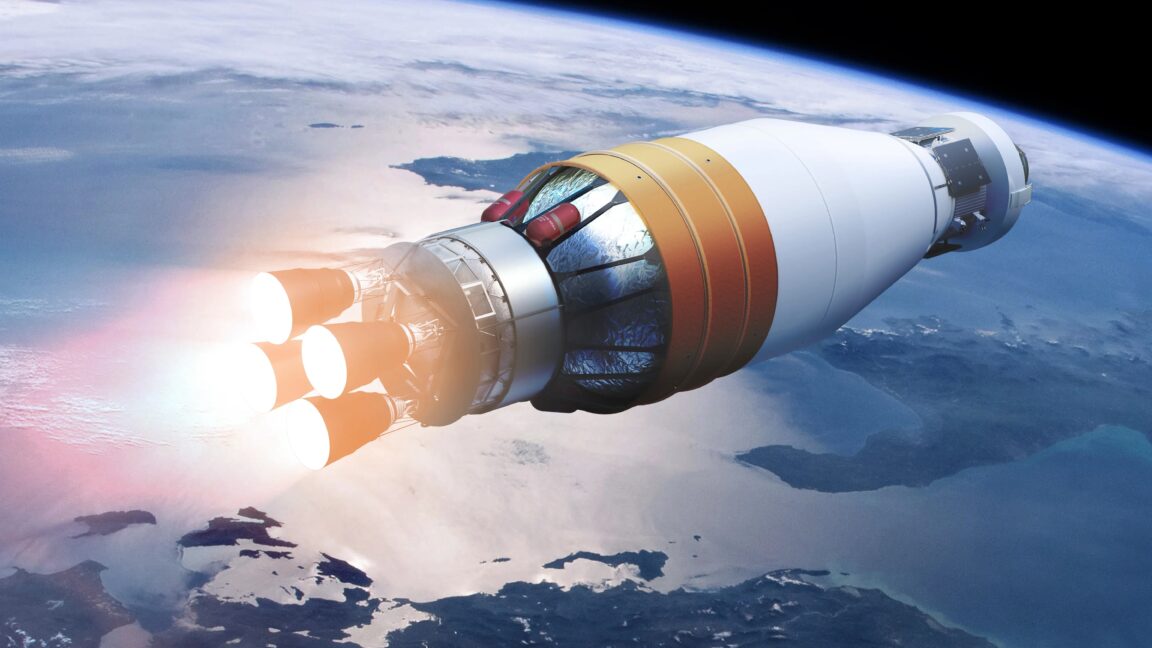
NASA Administrator Jared Isaacman announced major changes to the Artemis program to accelerate lunar missions and address concerns about China's advancing space capabilities. Key modifications include canceling the Exploration Upper Stage and Block IB upgrade for the Space Launch System rocket, redirecting Artemis III to dock with commercial lunar landers in low-Earth orbit rather than landing directly on the Moon, and establishing Artemis IV as the first actual lunar landing mission. NASA aims to achieve annual mission cadence beginning with Artemis III in mid-2027, followed by at least one lunar landing in 2028. The agency is collaborating with SpaceX and Blue Origin to expedite commercial lunar lander development. These changes address the historically low flight rate of SLS and Artemis missions, which Isaacman identified as incompatible with achieving deep space exploration objectives.
#artemis-program-restructuring #space-launch-system #commercial-lunar-landers #nasa-spacex-blue-origin-collaboration #us-china-space-competition
Read at Ars Technica
Unable to calculate read time
Collection
[
|
...
]