"People who greet the new year with hope, ambitious plans and optimised gut microbiomes might be obnoxiously apparent at the moment, but we all know they're a minority. Most of us lurched into 2026 catastrophically depleted and grey-faced, juggling deep Lemsip dependency with a deeper overdraft and a sense of ever-deepening global geopolitical foreboding. There is, however, one thing that fills me with buoyant optimism now and always: science."
"Did you know, for example, that scientists at UC Berkeley created a new colour? (It's called olo and it's sort of teal.) Or that doctors treated a baby with a rare genetic disorder with custom gene editing? There were more wonders in the Smithsonian's list of last year's fascinating scientific discoveries: ichthyosaurs, extinct marine reptiles, had stealth flippers, snails can regrow eyes within a month,"
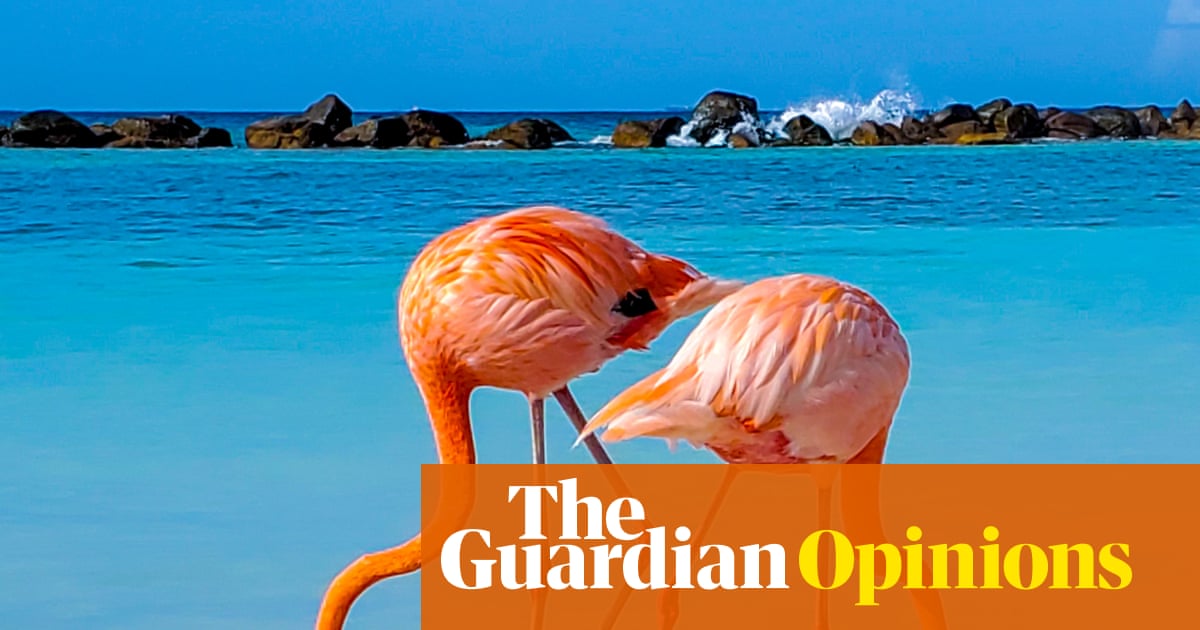
Many people entered 2026 exhausted, grey-faced, dependent on Lemsip, and managing financial strain alongside growing geopolitical anxiety. Science provides a source of buoyant optimism, delivering wide-ranging breakthroughs in 2025. Examples include a newly created colour called olo, a baby treated with custom gene editing, ichthyosaurs with stealth flippers, snails regrowing eyes within a month, flamingos forming tornado-like vortices while foraging, a bone-collector caterpillar, oyster mushrooms reacting to keyboards, discovery of more than 100 moons, replica womb lining, and progress toward lab-grown teeth. Scientists are also working on solutions for climate collapse, plastic waste, ecosystem failure, dementia, cancer, and chronic conditions such as long Covid.
#scientific-breakthroughs #biotech--gene-editing #paleontology--animal-behavior #climate-and-environmental-solutions
Read at www.theguardian.com
Unable to calculate read time
Collection
[
|
...
]