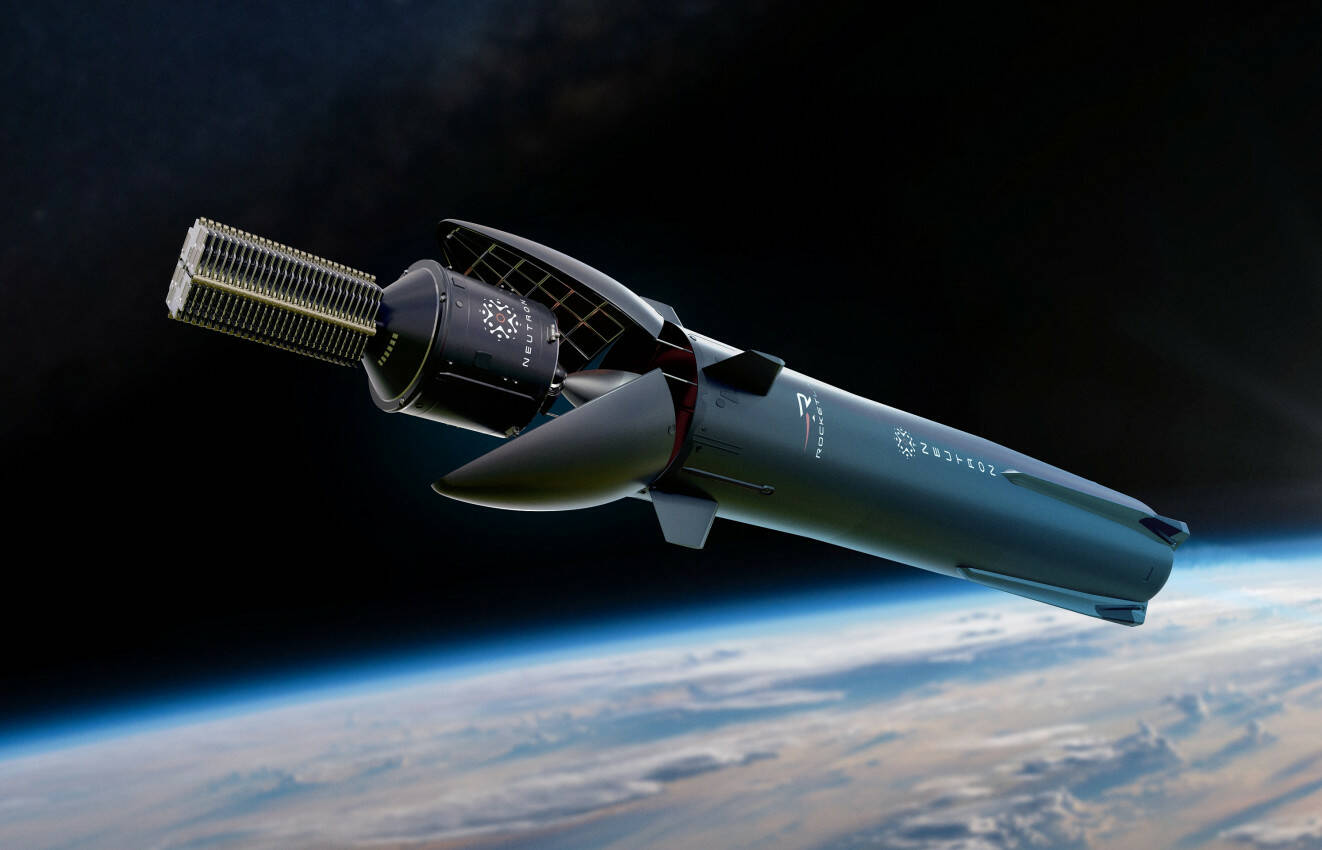
"Rocket Lab wants to go one better by making its fairings part of its planned Neutron rocket. The company's plan calls for its fairings to spring apart - while in flight - to create an aperture wide enough for the second stage rocket to exit. Once the second stage is on the way, Hungry Hippo's mouth will close, and the Neutron will return to Earth with the fairing intact."
"As The Register has previously reported, Rocket Lab has blown self-imposed deadlines to get Neutron into the sky in 2024 and 2025. The company now aspires to a 2026 launch. News that Hungry Hippo is ready to fly makes a launch next year more likely. If Rocket Lab can get Neutron flying, the company will have a vehicle that can carry weightier payloads than SpaceX's Falcon 9 - the world's current workhorse rocket - just in time to satisfy demand from satellite broadband companies."
"Rocket Lab published the video above in May. On Monday the company announced Hungry Hippo has successfully completed qualification and said the first unit is on its way to its Virginia launch facility to be used on Neutron's first launch. The company also posted some nice video of the fairing here. As The Register has previously reported, Rocket Lab has blown self-imposed deadlines to get Neutron into the sky in 2024 and 2025."
Hungry Hippo is a fairing designed to protect payloads during ascent and then open mid-flight to allow Neutron's second stage to exit before closing for recovery. The mechanism springs apart in flight to create an aperture, then recloses so the fairing returns intact to Earth. Hungry Hippo completed qualification and the first unit is en route to Rocket Lab's Virginia launch facility for use on Neutron's first launch. The design aims for reusability beyond SpaceX's recovered fairings by integrating the fairing with Neutron's recovery profile. Neutron's first launch target has slipped to 2026, and success would meet rising demand from satellite broadband constellations.
Read at Theregister
Unable to calculate read time
Collection
[
|
...
]