""If brain function is an emergent property of its physical structure, how can we recover it from complete shutdown?" lead author Alexander German highlights the complexity of restoring brain activity after freezing."
""Beyond ice, we must account for several considerations, including osmotic stress and toxicity due to cryoprotectants," German emphasizes the challenges faced in the freezing process."
""We wanted to see if function could restart after the complete cessation of molecular mobility in the vitreous state," German explains the goal of their vitrification research."
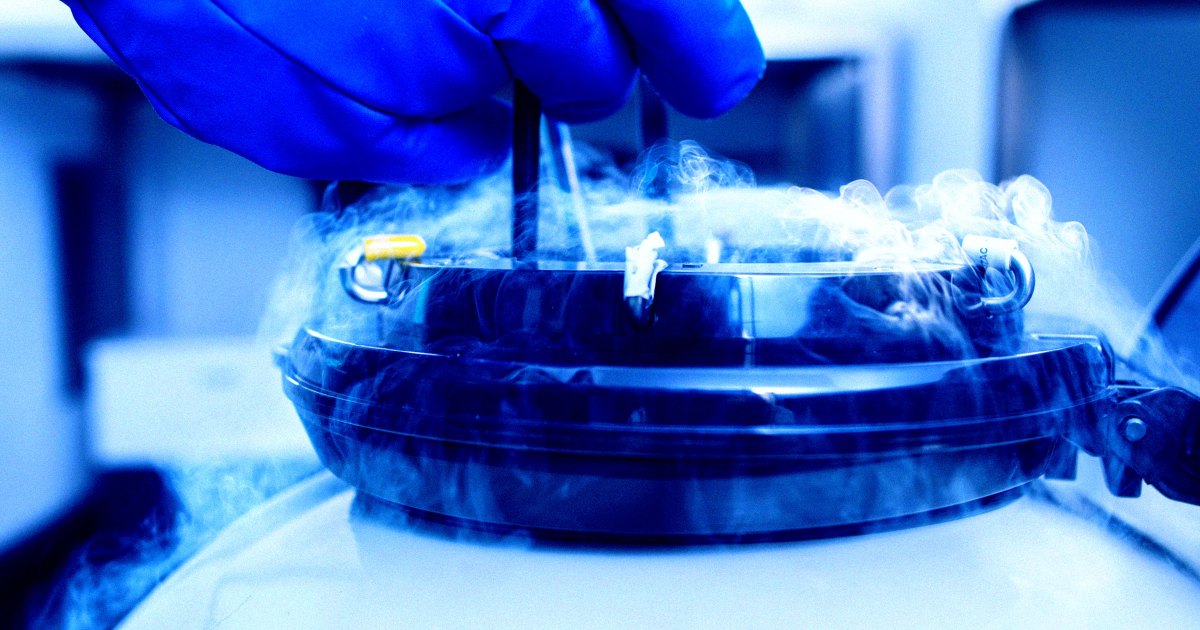
Researchers at the University of Erlangen-Nuremberg have made progress in cryosleep by restoring activity in mouse brains through vitrification. This method preserves tissue in a glass-like state and allows for slow thawing. The findings could lead to advancements in protecting the brain after severe injuries, preserving donor organs, and potentially suspending entire mammal bodies. The challenge of freezing organic tissue includes damage from ice crystals and other factors, which the team addressed by focusing on vitrification to prevent ice formation.
Read at Futurism
Unable to calculate read time
Collection
[
|
...
]