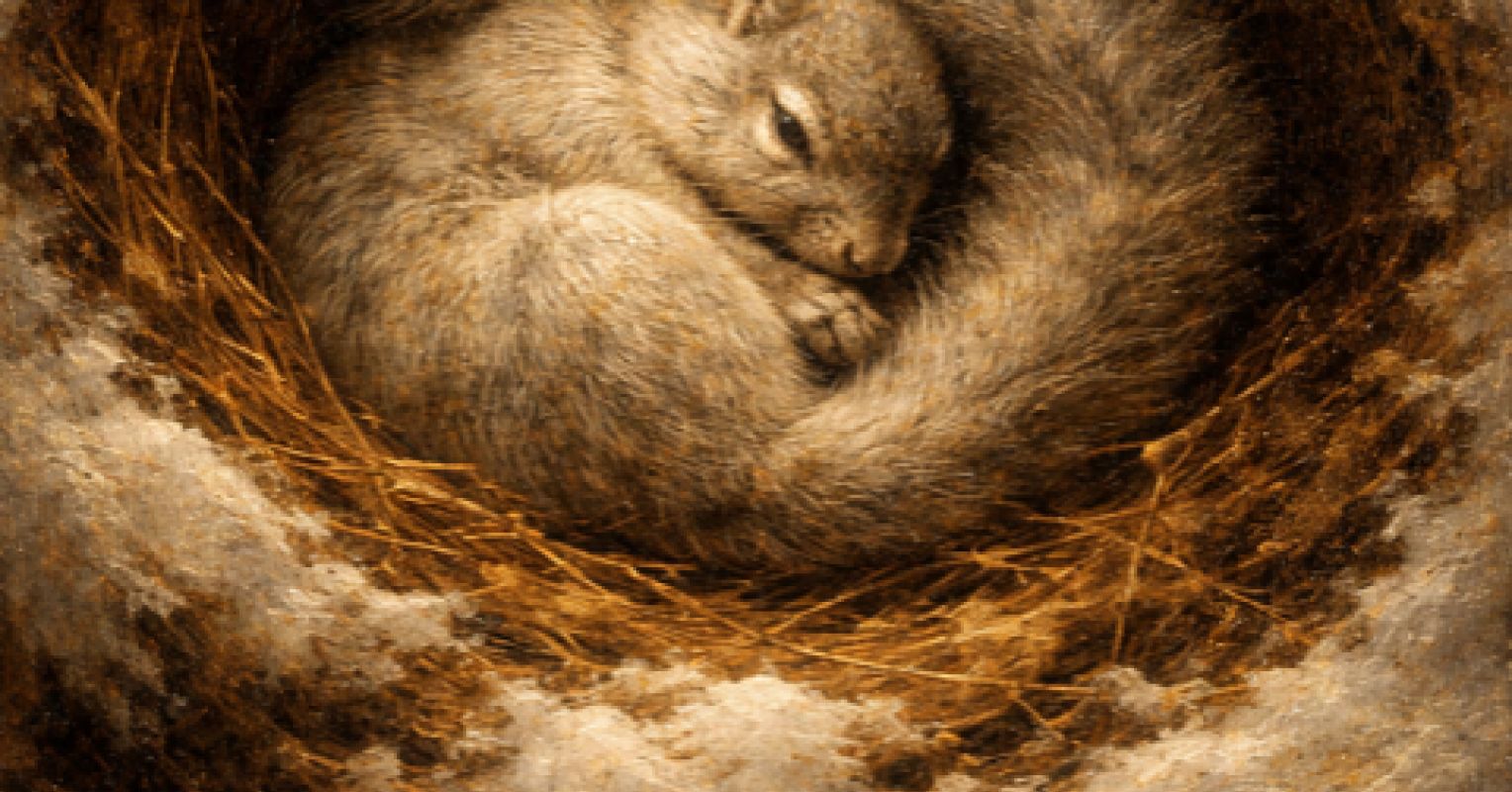
"In Siberian permafrost, in the Arctic, in Chile's nearly rainless Atacama Desert, and in the dark forests of Poland, organisms have been found that appear lifeless yet will revive and become fully functional when propitious environmental conditions arise. The question these discoveries evoke is not merely how life endures in harsh, inhospitable-to-life places, but what, exactly, it retains while doing so."
"In a laboratory in Pushchino, Russia, researchers revived rotifers that had been frozen in Siberian permafrost for more than 24,000 years. During that interval, the animals existed in cryptobiosis, a reversible state of suspended animation. "This is the hardest proof so far," Stas Malavin, one of the researchers, remarked, "that multicellular animals can withstand tens of thousands of years in a state of almost completely arrested metabolism.""
"Cryptobiosis is not death, though it resembles it closely enough to make the distinction difficult. Growth stops. Repair ceases. There is no signaling, no transcription, and no detectable metabolism. Biological processes halt, and life retreats to something like a shadow of the real thing.The organism remains poised, asleep, waiting for Prince Charming to kiss her and bring her water, energy (warmth), and oxygen. When that happens, no matter how much time has passed, the organism awakens and carries on as before."
Organisms found in permafrost, Arctic ice, deserts, and dark forests can appear lifeless yet revive fully when environmental conditions become favorable. Bdelloid rotifers frozen in Siberian permafrost for over 24,000 years were revived, demonstrating that multicellular animals can survive in nearly arrested metabolism for millennia. Cryptobiosis halts growth, repair, signaling, transcription, and measurable metabolism, leaving organisms in suspended animation until water, warmth, and oxygen return. Upon revival, organisms resume normal function. Memory and survival-relevant information can reside throughout the body rather than solely in neurons, making organisms living archives capable of suspension, conservation, and renewal.
Read at Psychology Today
Unable to calculate read time
Collection
[
|
...
]