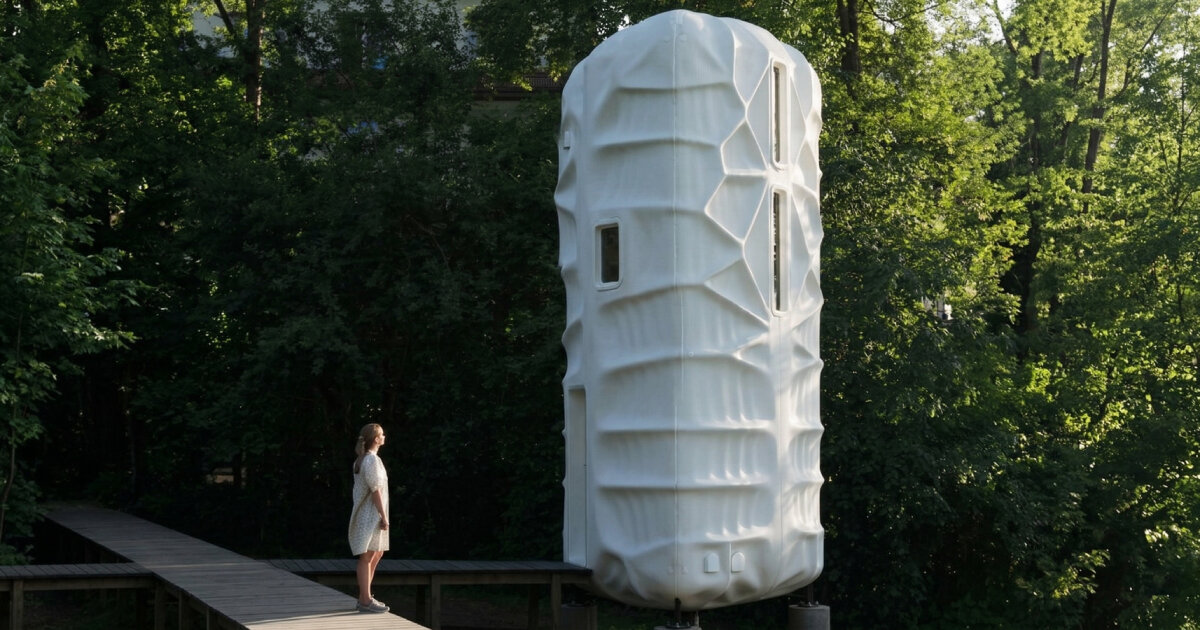
Astronauts on the International Space Station frequently use sleeping pills because their light cycles disrupt natural sleep patterns, impacting health and performance. SAGA Space Architects believes the design of habitats for space and underwater environments must prioritize human needs. With NASA's Artemis program aiming for a permanent lunar presence and Mars missions requiring sustainable living conditions, SAGA has developed various habitat concepts, including a Moon habitat tested in the Arctic and a Mars shelter designed for dust storms, focusing on human well-being in extreme environments.
"The most frequent medicine taken on the International Space Station is sleeping pills because astronauts in orbit live in a light cycle that doesn't match their biology. Their bodies don't know when to sleep or when to wake, and the disruption lasts for weeks or months, affecting their performance, mood, and physical health."
"SAGA Space Architects focuses on designs for well-being, believing that the structure must adapt to the needs of individuals living in extreme environments like the Moon, Mars, and the ocean floor."
"Each of these three environments holds resources, research potential, and, in the case of Mars, the question of whether human civilization can exist beyond a single planet. For SAGA, all three also hold the same design problem: a person needs to live there, and nothing in any of them was built for that purpose."
"SAGA Space Architects designs for human needs when their location and environment change, creating habitats that support life in extreme conditions."
Read at designboom | architecture & design magazine
Unable to calculate read time
Collection
[
|
...
]