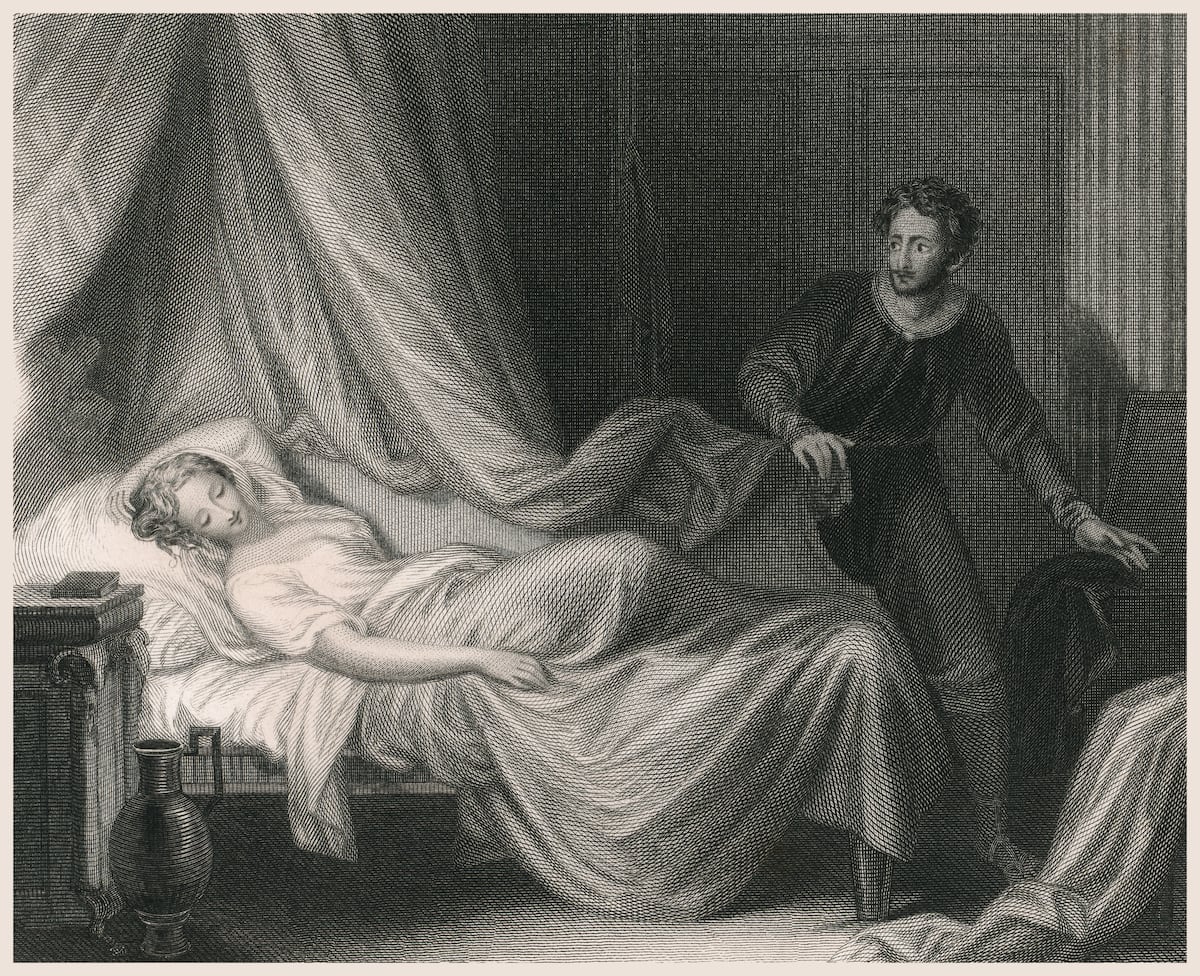
"Continuous sleep is a modern habit, not an evolutionary constant, which helps explain why many of us still wake at 3 a.m. and wonder if something's wrong. It might help to know that this is a deeply human experience. For most of human history, a continuous eight-hour snooze was not the norm. Instead, people commonly slept in two shifts each night, often called a first sleep and second sleep."
"The quiet interval gave nights a clear middle, which can make long winter evenings feel less continuous and easier to manage. The midnight interval was not dead time; it was noticed time, which shapes how long nights are experienced. Some people would get up to tend to chores like stirring the fire or checking on animals. Others stayed in bed to pray or contemplate dreams they'd just had."
"The disappearance of the second sleep happened over the past two centuries due to profound societal changes. Artificial lighting is one of them. In the 1700s and 1800s, first oil lamps, then gas lighting, and eventually electric light, began turning night into more usable waking time. Instead of going to bed shortly after sunset, people started staying up later into the evening"
Continuous eight-hour sleep is a modern development rather than an evolutionary constant. Historically, nights were commonly split into a first sleep and a second sleep separated by an hour or more of wakefulness. The middle-of-the-night interval served practical, social, spiritual, and intimate purposes, including chores, prayer, reflection on dreams, reading, writing, and quiet socializing. References to the two-shift night appear across cultures and ancient literature. The transition to consolidated sleep occurred over the past two centuries as oil, gas, and electric lighting extended evening wakefulness and changed nightly routines.
Read at english.elpais.com
Unable to calculate read time
Collection
[
|
...
]