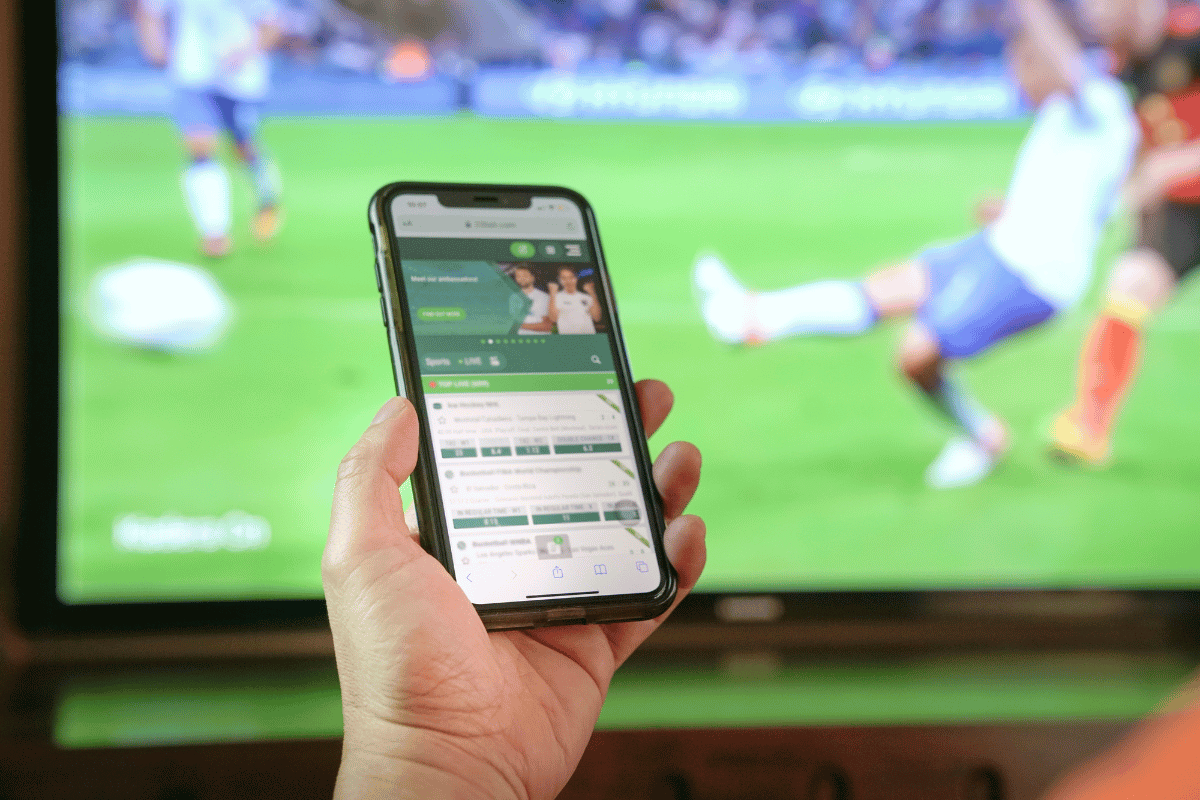
"The study, published in Addictive Behaviors Reports and titled "The effect of television advertising on gambling behaviour: a quasi-experimental study during the 2022 Qatar FIFA World Cup," analyzed betting behaviour among 365 men aged 18-45 in England during the 2022 tournament. According to the paper's abstract, "Frequency of betting on football was 16% to 24% higher during games televised on a channel with gambling advertising compared to one without.""
"the results were striking, particularly given that current restrictions are meant to reduce exactly this kind of impact. "These television adverts may be acting as powerful triggers during live games, encouraging betting even among people who had no prior intention to gamble. One of our key findings was that this advertising doesn't simply shift people between betting platforms, it increases the overall amount of gambling taking place," she said in a release."
Televised gambling advertising on channels showing live soccer matches increased football betting frequency by 16% to 24% compared to channels without such ads. Participants were 22% to 33% more likely to place a soccer bet during games that contained television gambling advertising. Voluntary safeguards such as the "whistle-to-whistle" ban did not eliminate the association between televised gambling ads and higher betting activity. Television adverts acted as triggers that encouraged betting among people who previously had no intention to gamble and raised overall gambling rather than merely shifting platform choice. Population-level increases in participation raise the risk of gambling-related harm.
Read at ReadWrite
Unable to calculate read time
Collection
[
|
...
]