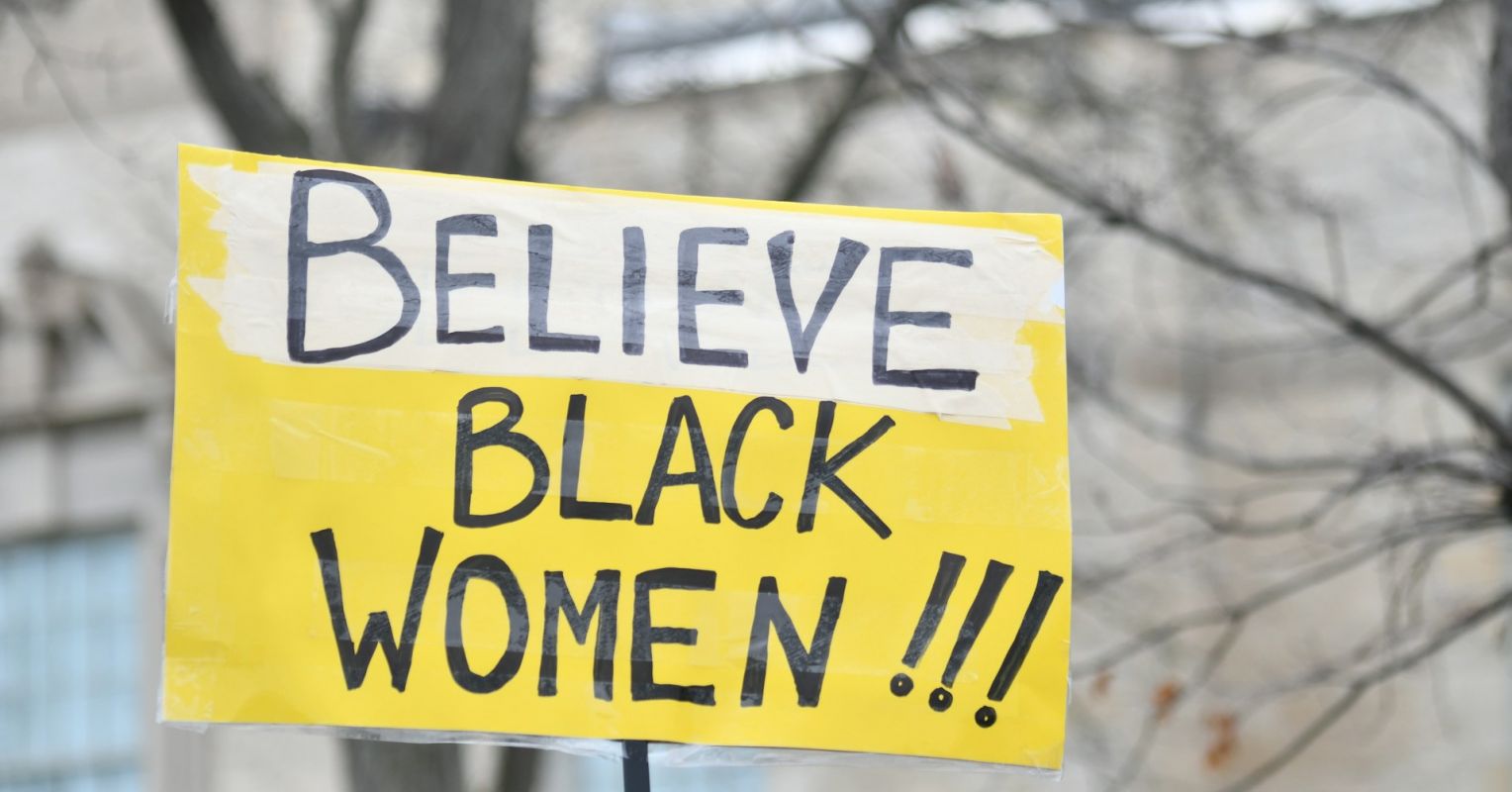
"It is striking how frequently organizations and individuals display images and stock photos of Black people, especially Black women, to project an image of inclusivity and to deflect accusations of Anti-Black Racism. However, a closer look at their actual practices-such as hiring, firing, internal policies, equal pay, and addressing inequities-reveals a significant absence of Black professionals and notably Black women in leadership and decision-making positions."
"Digital blackface refers to the practice of using images, voices, and AI representations of Black people to convey emotions or ideas, echoing the historical phenomenon of blackface. Originating in the 1760s, blackface involved non-Black performers caricaturing harmful stereotypes of Black people for entertainment, profit, and to reinforce racial inferiority. Its contemporary form presumes it is acceptable to exploit Black identities for social media likes and racial humor, further perpetuating racial violence and commodification."
Organizations and individuals frequently use images and stock photos of Black people, especially Black women, to project inclusivity while lacking Black professionals in hiring, leadership, pay equity, and policy decisions. Social media pages that feature Black images, voices, and AI can simultaneously exhibit Anti-Black sentiments and reflect superficial engagement with Black communities. Racial gaslighting dismisses lived experiences and validates appearance over meaningful structural change, perpetuating systemic inequalities. Digital blackface uses Black images, voices, and AI to convey emotion, mirroring historical blackface stereotypes and commodifying Black identities. Blackfishing involves non-Black people altering appearance to appropriate Black culture for profit.
Read at Psychology Today
Unable to calculate read time
Collection
[
|
...
]