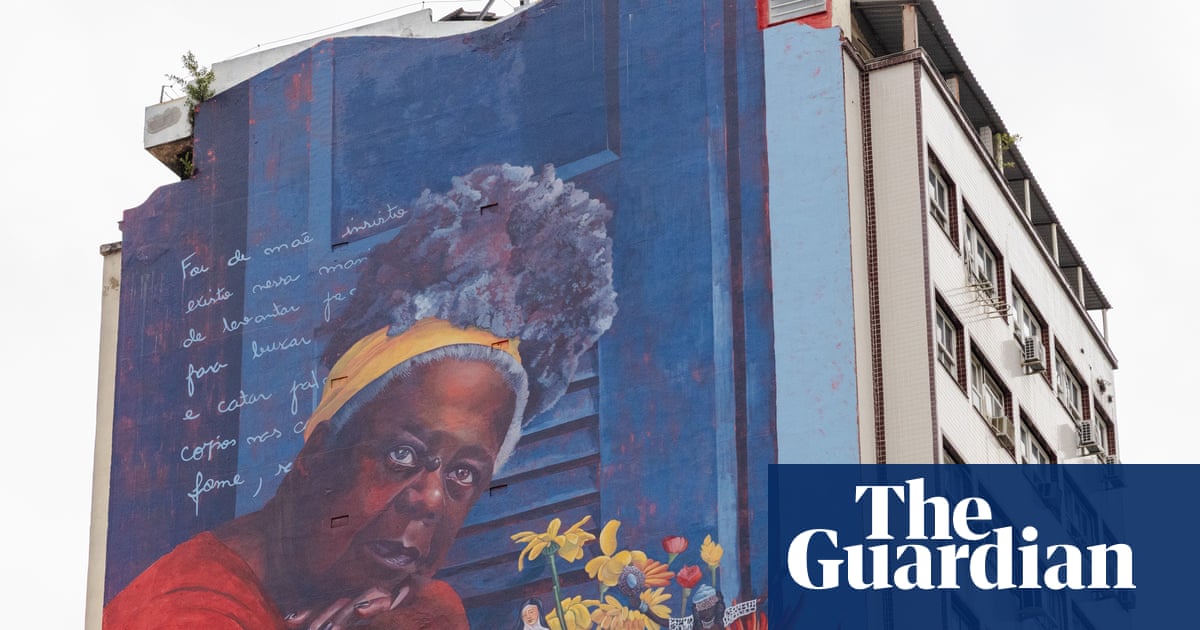
Rio de Janeiro has a majority Afro-descendant population and has been home to many prominent Black figures across science, law, politics, arts, and activism. Despite this, fewer than 10% of the city’s 360 statues and busts commemorate Black people, with 29 men and three women represented. Two Black men created a mural project to counter this absence and preserve Black memory. NegroMuro, created in 2018 by Pedro Rajao and visual artist Fernando Sawaya, is now recognized by law as part of the city’s intangible cultural heritage. The project includes 80 murals portraying about 120 people, with 60% depicted as men, and the creators aim to increase women’s representation.
"Once home to the world's largest port of arrival for enslaved Africans, Rio de Janeiro has, like the rest of Brazil, a majority Afro-descendant population. Many of the country's most prominent Black figures scientists, lawyers, athletes, politicians, writers, musicians, activists and intellectuals were either born or lived in the country's second-largest city, which served as the capital for nearly 200 years."
"But of the 360 or so statues and busts scattered across Rio, fewer than 10% commemorate Black people: 29 men and just three women. The striking lack of such public monuments was what drove two Black men to create a mural project that has just been recognised by law as part of the city's intangible cultural heritage."
"We're creating a cartography of Black memory, said Pedro Rajao, 40, a researcher and producer who created the project in 2018 alongside the visual artist Fernando Sawaya, 39. Called NegroMuro, or BlackWall, the project now comprises 80 murals spread across the city, portraying about 120 people, 60% of them men a disparity the duo say they are working to address."
"On the walls of schools, museums, train stations and even private homes there are brightly coloured, bold-lined paintings of people born in Rio such as Joaquim Maria Machado de Assis, widely considered the greatest Brazilian writer of all time and figures born elsewhere but who had a strong connection to the city, such as the Black feminist activist Lelia Gonzalez. If there are no bronze monuments, then there will be murals large and beautiful murals,"
Read at www.theguardian.com
Unable to calculate read time
Collection
[
|
...
]