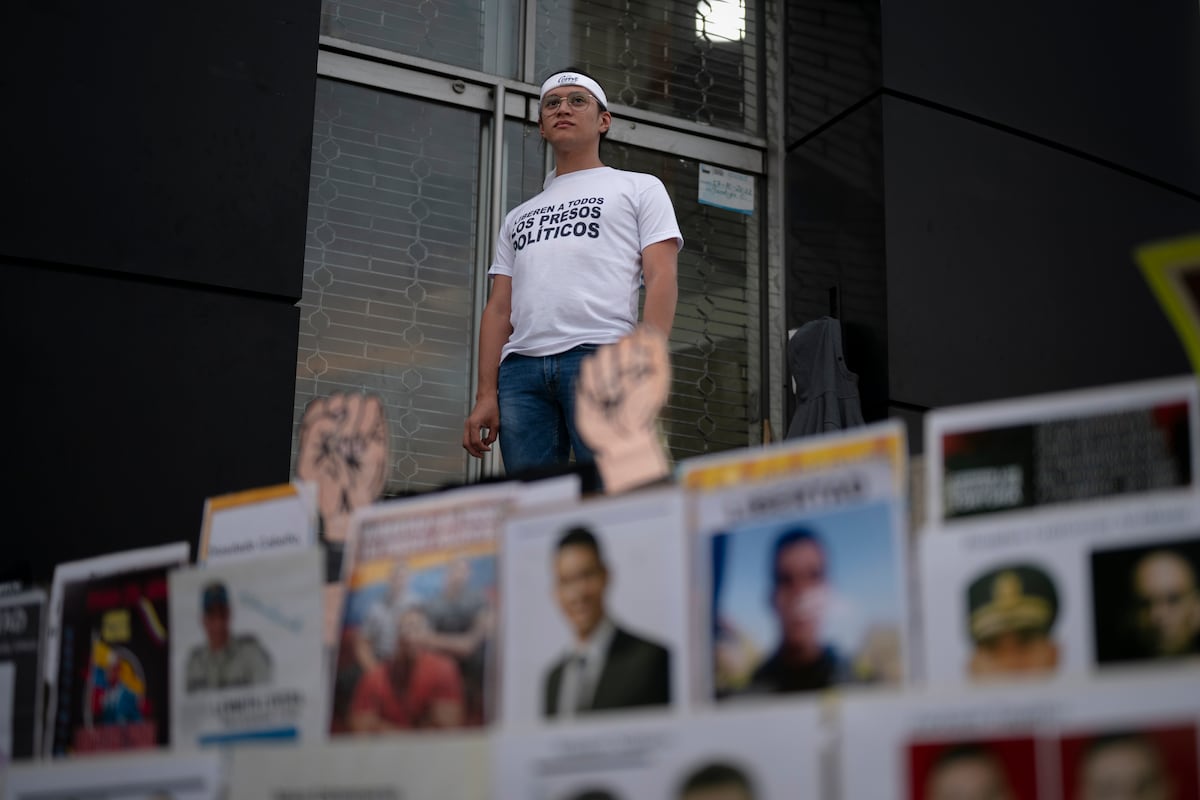
"Their organization has defended more than 14,000 people, including political prisoners and relatives of those killed in the first protests against Chavismo, those of April 11, 2002. Their office holds part of the memory of two decades of political violence and authoritarian drift, which the interim president, Delcy Rodriguez, is now trying to leave behind."
"The government's announcement of releases in early January has so far resulted in the liberation of 673 people, according to the tally presented this Thursday by Foro Penal. But 508 people remain detained: 54 women, 179 members of the military, and 44 foreigners or citizens with dual nationality."
"The files of political prisoners handled by Foro Penal occupy two of the three enormous filing cabinets that are moved with a lever in their office. When Romero and Himiob talk about their work, they trace a map that runs from the intricacies of the Venezuelan justice system in the early years of Chavismo to the dead end it has become today."
Foro Penal, led by lawyers Alfredo Romero and Gonzalo Himiob, has defended more than 14,000 Venezuelans, including political prisoners and relatives of those killed in early Chavismo protests. The organization maintains extensive records of two decades of political violence and authoritarian governance. Following the January 3 military intervention that removed Nicolas Maduro, the interim government announced prisoner releases. However, while 673 people have been freed according to Foro Penal's count, 508 remain detained, including 54 women, 179 military members, and 44 foreigners or dual nationals. Parliament claims 6,071 people received amnesty, but no verification lists exist. Foro Penal's filing cabinets contain comprehensive documentation of Venezuela's justice system transformation from early Chavismo to its current state.
#venezuelan-political-prisoners #human-rights-advocacy #foro-penal #authoritarian-governance #prisoner-releases-and-amnesty
Read at english.elpais.com
Unable to calculate read time
Collection
[
|
...
]