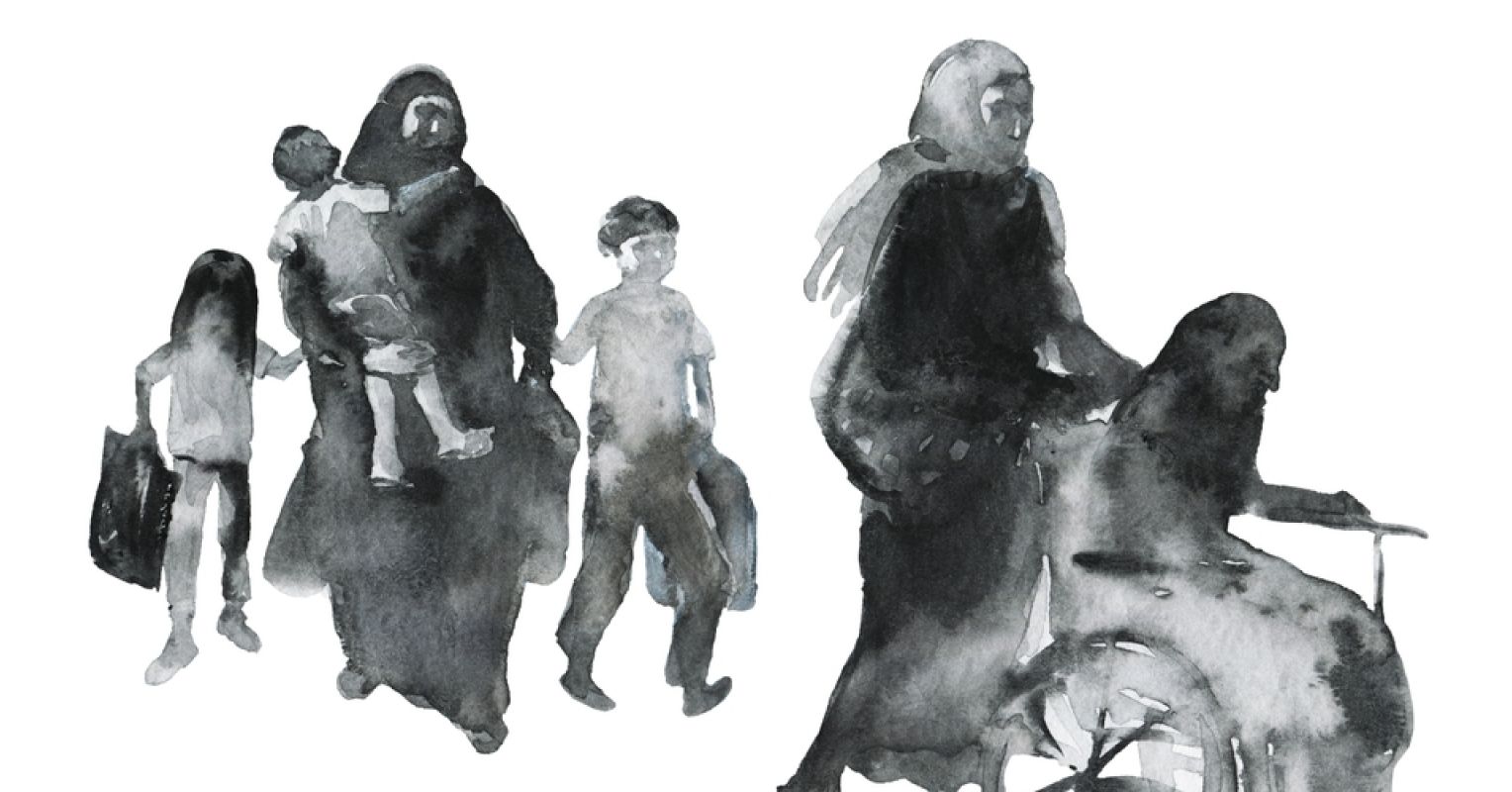
Xenophobia has fueled legislation, occupations of cities, and shapes news presentation on social media. Social media news consumption during COVID-19 correlated with increased stereotyping and prejudice, while engagement with diverse groups and broader social networks correlated with reduced stereotyping. Careful selection of news sources and diversification of social circles are practical strategies to guard against prejudice and seek truth. A structural xenophobia index measured 14 state-level policies across five domains over ten years. Exclusionary policies significantly harmed immigrant health and family well-being. Policies that center the well-being of all neighbors promote more equitable outcomes.
"One study conducted during the COVID-19 pandemic revealed that individuals who use social media for news are more likely to stereotype and express prejudice, while those who engage in discussions with diverse groups of people and enjoy a wide social network are less likely to stereotype and express prejudice (Ahmed et al., 2021). Carefully considering where we source our news is one way we can guard against prejudice and seek truth."
"Another study demonstrated the impact of xenophobic policies at the state-level on immigrant health inequities. Using an established social determinants of immigrant health framework, the authors created a measure of structural xenophobia using 14 policies across five domains-access to public health benefits, higher education, labor and employment, driver's licenses and identification, and immigrant enforcement-over a ten-year period. They found that state-level policies were exclusionary toward immigrant populations, significantly impacting the health and well-being of individuals and families (Samari et al., 2021)."
Read at Psychology Today
Unable to calculate read time
Collection
[
|
...
]