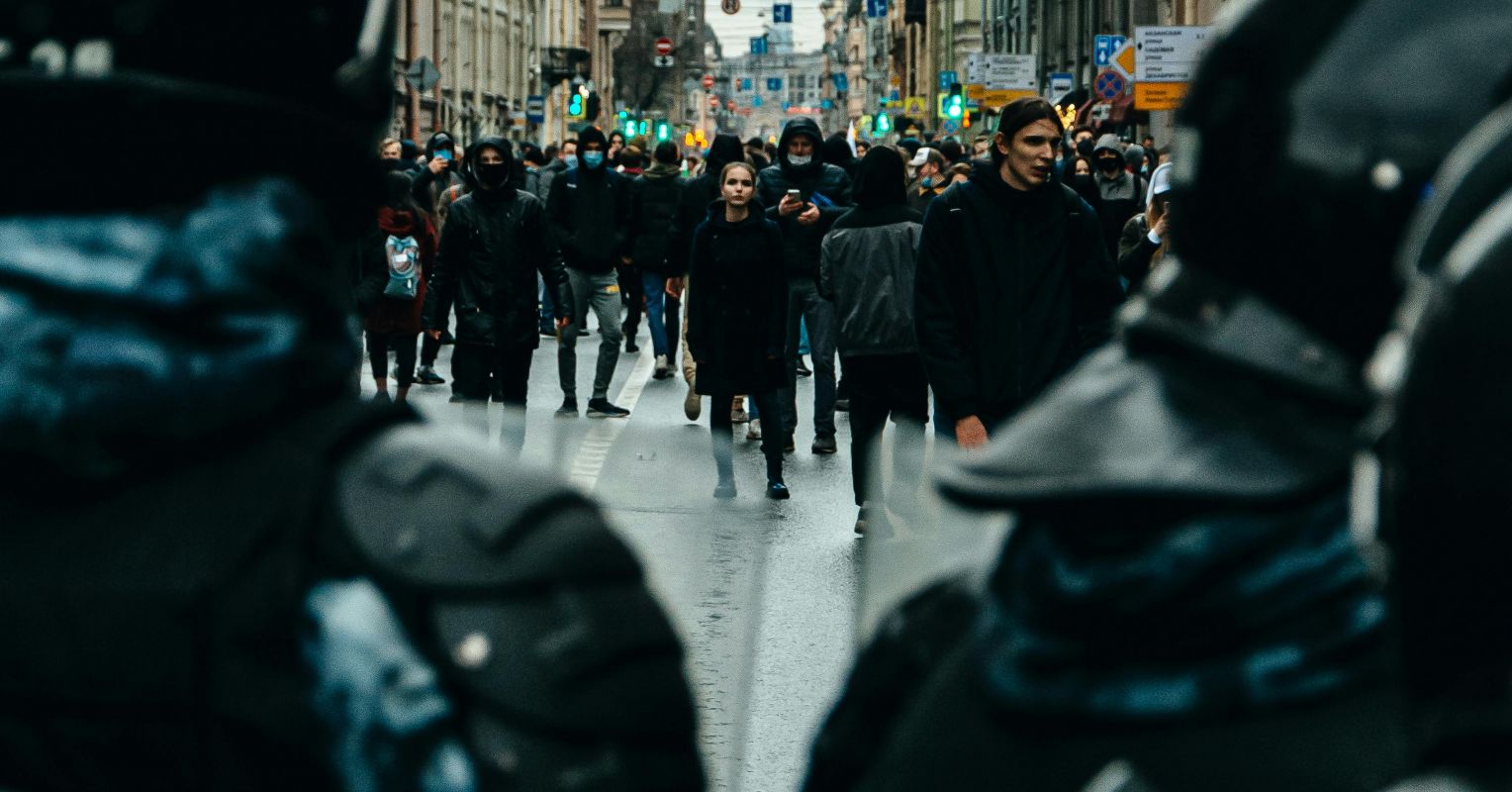
A virtual reality protest simulated a march that participants experienced as a coordinated social process. Participants walked with virtual protestors and heard march sounds until police formed a blockade. Officers were shown either in regular uniforms or in riot gear with helmets, shields, and batons. The same blockade produced different psychological reactions depending on appearance. Riot gear made the blockade feel less legitimate. Riot gear also increased anger, which helped explain stronger intentions to resist. Less committed protestors were more likely to change their reactions after seeing police in riot gear.
"In the studies, participants entered a virtual demonstration against right-wing populism. They walked with virtual protestors through a city street, hearing the sounds of a march in a completely immersive scenario. Then the police appeared and blocked the way. Some participants saw officers in regular uniforms, while others saw officers in riot gear."
Read at Psychology Today
Unable to calculate read time
Collection
[
|
...
]