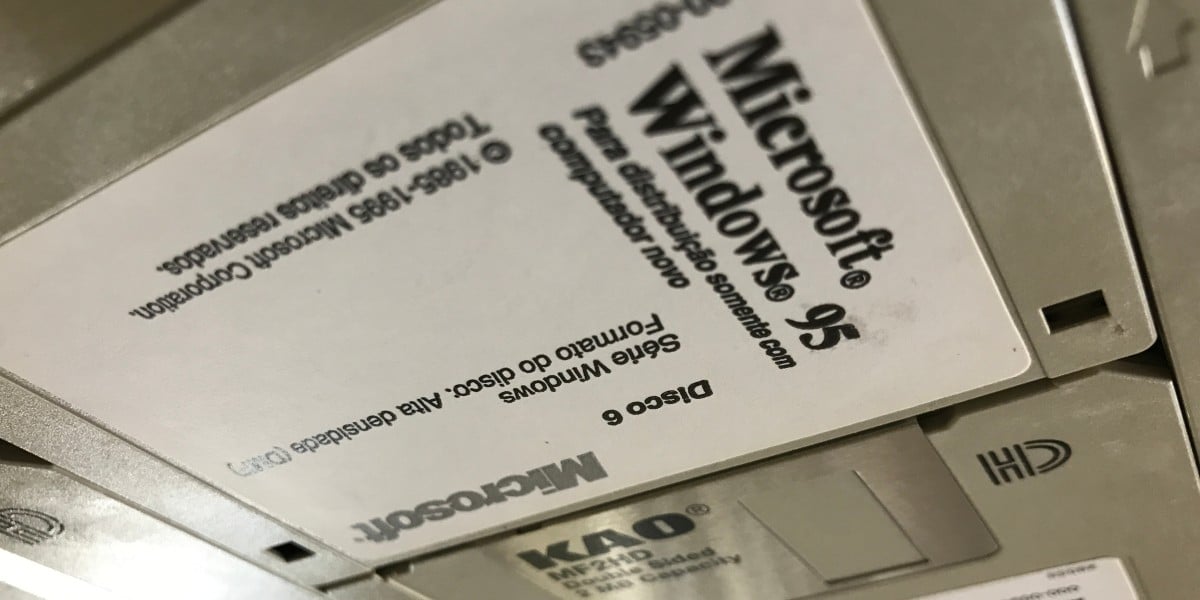
When installing Windows 95 from MS-DOS, a stripped-down Windows 3.1 installation ran a 16-bit application that copied files and migrated settings before launching Windows 95. Starting the installer from Windows 3.1 bypassed the extra DOS step and went straight into that same 16-bit app. The miniature Windows 3.1 route was chosen because it already existed, minimized development work, reduced reboots and size concerns, and avoided negative user-experience impacts. Windows 95 development was behind schedule, and creating a dedicated reduced Windows 95 for setup would have added engineering effort. Later efforts have reduced Windows 95 size, but the compact Windows 3.1 variant remained smaller.
"If a user ran from MS-DOS, a stripped-down version of Windows 3.1 was installed, and a 16-bit Windows application would take care of copying files and migrating settings before firing up Windows 95. If you started from Windows 3.1, you would go straight into that 16-bit app. But why bother with Windows 3.1 at all? Why not jump straight into a miniature Windows 95 to get the bulk of the setup done in a fully 32-bit operating system?"
""I guess you could do that," said Chen, "but there are problems with that design, both from an engineering and a user experience standpoint. From an engineering standpoint, going down the Windows 3.1 route was the easier path; Microsoft already had a miniature version of the operating system ready to go. Windows 95, on the other hand, "was notoriously behind schedule.""
Read at Theregister
Unable to calculate read time
Collection
[
|
...
]