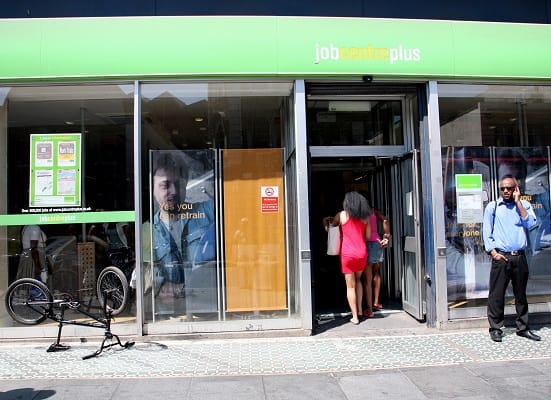
"The jobless rate fell to 4.9% in the three months to February, down from 5.2% previously and defying expectations of a flat reading. However, the decline was driven not by stronger hiring but by a growing number of people stepping away from the labour market altogether."
"Economic inactivity rose sharply, with an additional 70,000 people - many of them students - no longer seeking work. The inactivity rate climbed to 21%, its highest level in more than a year and a half, underscoring concerns that workforce participation is deteriorating."
"Vacancies, often seen as a bellwether of business confidence, tell a similarly downbeat story. The number of open roles fell by 29,000 to 711,000, the lowest since April 2021, signalling that employers are pulling back on hiring."
"Regular wages rose by 3.6% in the latest quarter, the slowest pace since late 2020. While earnings are still just ahead of inflation, real wage growth has slipped to only 0.4%, its weakest level in more than two-and-a-half years."
Britain's unemployment rate fell to 4.9%, the lowest since last summer, but this decline masks troubling trends. Economic inactivity increased by 70,000, with a rate of 21%, indicating fewer people are seeking work. Job vacancies decreased by 29,000 to 711,000, the lowest since April 2021, reflecting reduced hiring by employers. Wage growth is also slowing, with regular wages rising by only 3.6%, the slowest since late 2020, and real wage growth at just 0.4%. Payroll data shows a decline in employees, suggesting a softening labor market.
Read at London Business News | Londonlovesbusiness.com
Unable to calculate read time
Collection
[
|
...
]