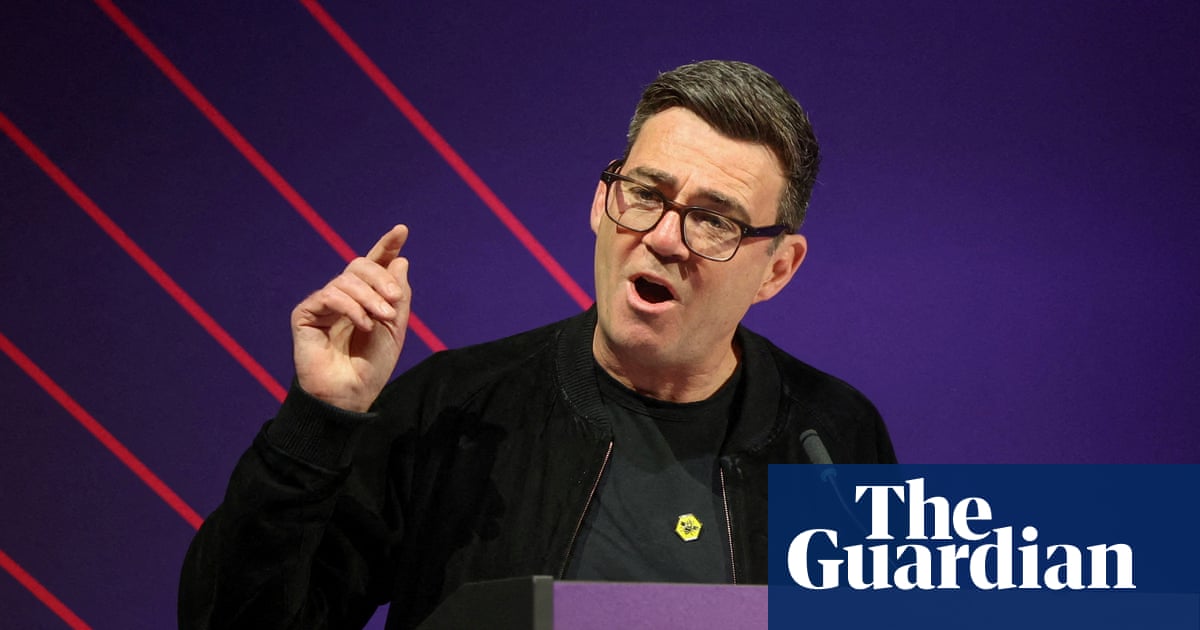
"Manchesterism is the end of neoliberalism. That was the claim made by Andy Burnham in his campaign launch video this week a film which made an audacious offer not just to his byelection constituents in Makerfield, but how he intended to change national politics and the economy. But the 2026 doctrine of Manchesterism is very different to its 19th-century namesake, when it was a byword for free trade."
"Now in the hands of the mayor of Greater Manchester, it means the national rollout of what he has achieved in the city essential assets brought into greater public control such as the bus network, a closer partnership between the state and business to spread the proceeds of wealth, and a huge expansion of devolution. However, the task of turning Manchesterism into a practical offer in government potentially in a matter of weeks is immense."
"There is a determination among those backing Burnham to be bold and authentic, but it runs alongside a deep fear about spooking an already jittery bond market and causing the cost of borrowing to soar, as well as anything that might risk handing the seat to Reform UK. Those constraints were evident in Burnham's statement at the weekend that he will stick to Rachel Reeves's fiscal rules meaning any further expansion of public spending will have to be paid for with tax increases."
"Investors had been fretting about an unfunded spending splurge in the event of a Burnham leadership, since he called for Labour to be less in hock, to the bond markets. The shadow chancellor, Mel Stride, has begun claiming the government is already paying a Burnham penalty in higher borrowing costs. Burnham, according to his close adviser Neal Lawson, who founded the thinktank Compass, has developed his prognosis entirely through his work in Manchester."
Manchesterism is presented as a shift away from neoliberalism toward greater public control of essential assets, including the bus network, and a stronger partnership between the state and business to spread wealth. It also centers on a major expansion of devolution, scaling what has been achieved in Greater Manchester to national politics and the economy. Turning the approach into a practical government offer quickly is described as difficult due to limited resources and many competing interests. Supporters want bold, authentic action, but concerns remain about spooking bond markets, raising borrowing costs, and enabling electoral gains for Reform UK. Burnham signals adherence to Rachel Reeves’s fiscal rules, requiring any further public spending to be funded through tax increases.
Read at www.theguardian.com
Unable to calculate read time
Collection
[
|
...
]