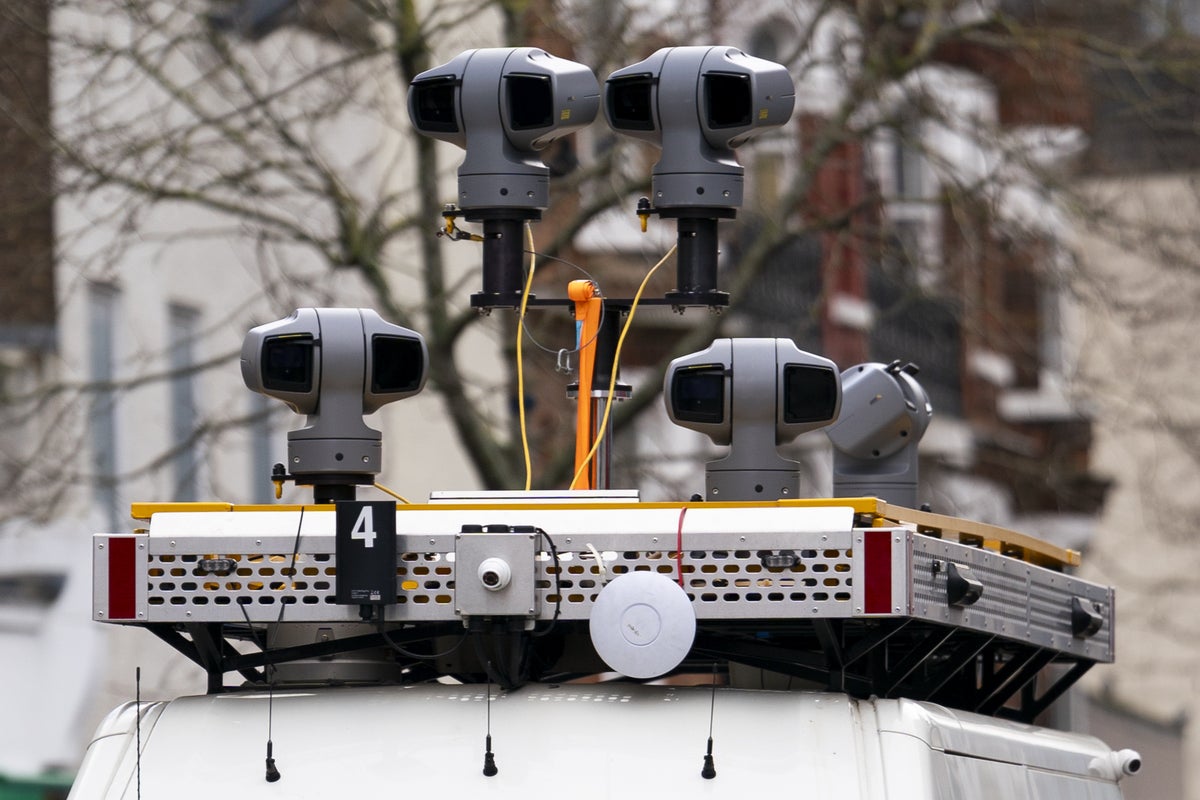
"The government is also proposing to create a regulator to oversee police use of facial recognition, biometrics and other tools. Policing minister Sarah Jones described facial recognition as the "biggest breakthrough for catching criminals since DNA matching", saying that it has already helped catch thousands of criminals. "We will expand its use so that forces can put more criminals behind bars and tackle crime in their communities," she said."
"But human rights campaigners called on the government to limit police's use of facial recognition to serious crimes and the search for missing people. A 10-week consultation is being launched to gather views on how the technology should be regulated and how to protect people's privacy. It will also ask people what sort of data they think it is acceptable for police to access, for example, whether officers should have greater access to passport photos in certain circumstances."
"According to the Home Office, the Metropolitan Police made 1,300 arrests using facial recognition over the past two years, and found more than 100 registered sex offenders breaching their licence conditions. But the technology has faced criticism, with the Equality and Human Rights Commission (EHRC) describing the Met Police's policy on use of live facial recognition technology as "unlawful", earlier this year. The equalities watchdog said the rules and safeguards around the UK's biggest police force's use of the technolog"
Ministers pledged to expand police use of facial recognition to track dangerous criminals and to seek public views to form new laws. A 10-week consultation will gather opinions on regulation, acceptable police access to data (for example passport photos) and measures to protect privacy. The government proposes creating a regulator to oversee police use of facial recognition, biometrics and other tools. The Home Office reports the Metropolitan Police made 1,300 arrests using facial recognition over two years and found more than 100 registered sex offenders breaching licence conditions. Human rights campaigners and the Equality and Human Rights Commission urged limits and criticized the Met’s live facial recognition policy as unlawful.
Read at www.independent.co.uk
Unable to calculate read time
Collection
[
|
...
]