"Both are appalled by politicians' perks and pay. The 98,000 salary, second jobs and lobbying scandals strengthen their sense that politics is corrupt. They are not alone in this political corruption came up frequently in my interviews. Martin is planning to vote Reform next time. Diane says she probably won't vote at all, being somewhat sceptical of Farage. He does go on a bit, she says."
"Martin earned a good salary as a bricklayer down the pit, but he struggled for work when his colliery shut in the late 1980s. Eventually, he found work as a gardener, earning about half of what he used to. He has remained on low pay ever since. With the rising cost of living, the couple have cut back on small luxuries. We only go and see tribute acts now, says Diane. We can't afford proper acts."
"Although it voted in a Labour MP at the last general election, the constituency now heavily favours Farage. Interviewing people in 2021, 2024 and again over the past year, I have seen the shift happen in real time. Take Martin*, an ex-miner, and his wife, Diane, who worked with disabled children until she retired last year. Both voted Labour in 2024, which they now regret."
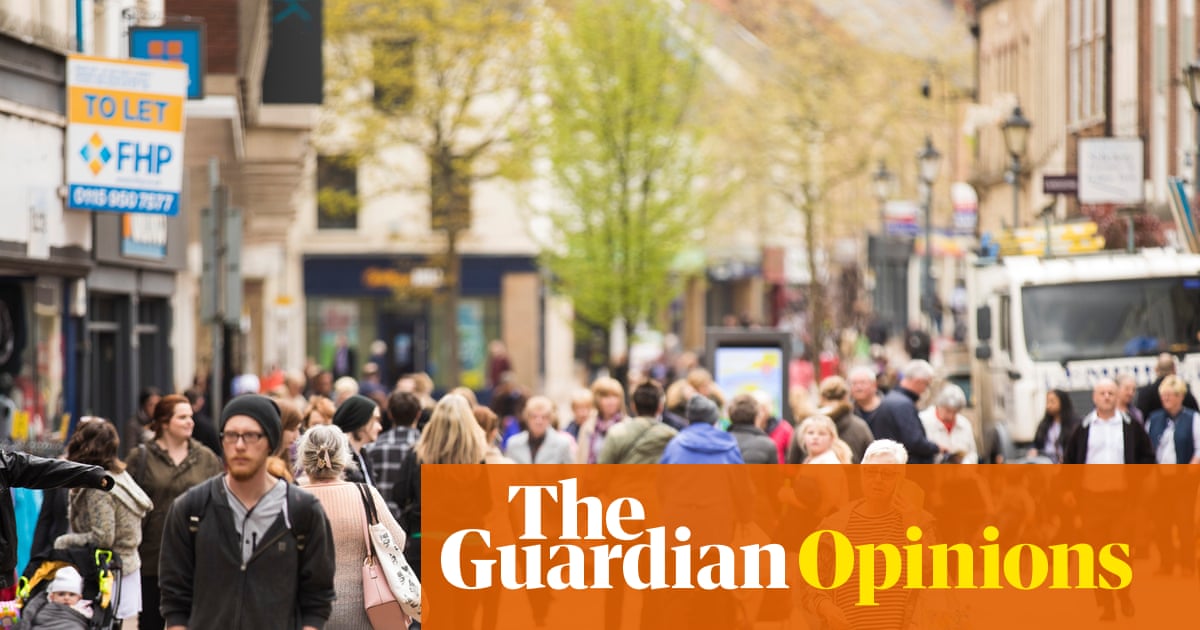
"Once again, England's post-industrial towns are cast as the angry, reactionary counterparts to booming, progressive cities. Certainly, Reform UK is winning there now, but that is not the full picture. These places should not be chalked up as lost causes for the left. Over the past five years, I have been conducting intermittent ethnographic research in Mansfield, the former mining town in Nottinghamshire, to study its changing politics."
Labour lost heavily in local elections across the Midlands and northern England, echoing the 2016 Brexit geography. Post-industrial towns are often portrayed as angry and reactionary compared with progressive cities, but the shift is not a simple lost-cause story. Ethnographic research in Mansfield shows changing politics over several years. A former miner and his wife, both Labour voters in 2024, now regret their vote and express anger at politicians’ perks, pay, second jobs, and lobbying scandals. They interpret these as evidence of corruption. The miner’s wages fell after the colliery closed in the late 1980s, and rising living costs reduced spending on entertainment. The couple’s economic insecurity and distrust of politics shape whether they support Reform or abstain.
Read at www.theguardian.com
Unable to calculate read time
Collection
[
|
...
]