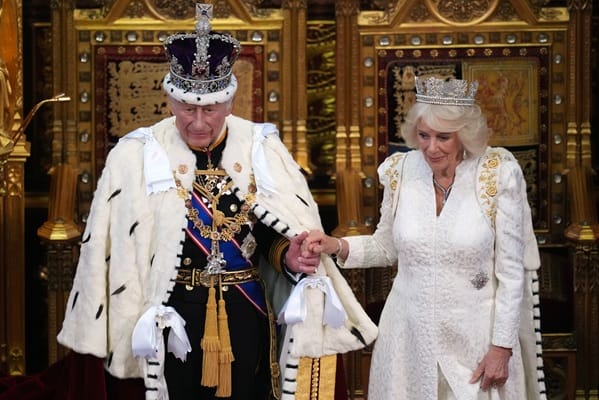
"The King's Speech remains the constitutional centrepiece of the State Opening of Parliament - the grandest ceremonial occasion in the Westminster calendar and the only regular event bringing together the three constituent parts of Parliament: the Crown, the House of Lords and the House of Commons."
"Despite being delivered by the monarch, the speech itself is entirely written by the Government of the day - meaning the King reads out policies, priorities and proposed laws drafted by ministers, regardless of his personal views."
"Under Britain's constitutional conventions, the monarch must remain politically neutral at all times and cannot publicly favour or oppose any party or policy. That neutrality is considered one of the foundations of the modern constitutional monarchy, which is why the Palace is especially cautious during periods of political turbulence."
"The State Opening itself combines constitutional symbolism with political reality: the Crown formally summons Parliament, but democratic authority ultimately rests with elected MPs in the Commons. This year's ceremony has unfolded against an unusually tense political backdrop, with Keir Starmer facing growing pressure over Labour's heavy local election losses and mounting speculation over his leadership future."
The King’s Speech is the constitutional centerpiece of the State Opening of Parliament, bringing together the Crown, the House of Lords, and the House of Commons. It marks the start of a new parliamentary session and sets out the Government’s legislative agenda for the year ahead. Formally called the Speech from the Throne, it is read from the sovereign’s throne in the House of Lords chamber amid long-standing royal and parliamentary tradition. Although delivered by the monarch, the speech is written entirely by the Government of the day, with ministers drafting policies, priorities, and proposed laws. The monarch must remain politically neutral and cannot publicly favour or oppose parties or policies. The ceremony combines symbolic authority with democratic legitimacy, since elected MPs in the Commons hold ultimate democratic power. Recent political tension has increased caution about keeping the King separate from Westminster instability.
Read at London Business News | Londonlovesbusiness.com
Unable to calculate read time
Collection
[
|
...
]