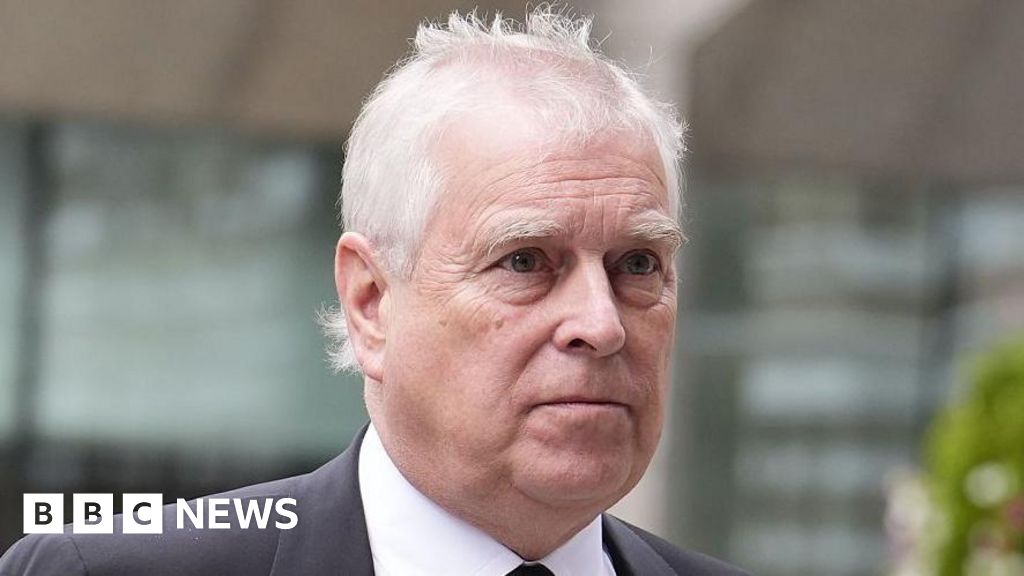
In 2000, newly released government files state that Queen Elizabeth II was “very keen” for her son Andrew Mountbatten-Windsor to take a trade envoy role. The Queen’s aim was for him to play a “prominent role in the promotion of national interests.” Mountbatten-Windsor served as the UK special representative for international trade and investment until 2011. The documents were released after a parliamentary request by Sir Ed Davey. The timing followed Andrew’s arrest in connection with alleged misconduct in public office involving confidential material and Jeffrey Epstein, which he denied. One released letter notes a preference for visiting “the more sophisticated countries” and lists strengths including high-tech matters, trade, youth projects, and cultural events, with a preference for ballet.
"The Queen wanted her son to take on a "prominent role in the promotion of national interests", then-chief executive of British Trade International Sir David Wright said in a memo to then-foreign secretary Robin Cook, dated February 2000. Mountbatten-Windsor acted as the UK's special representative for international trade and investment until 2011."
"The files relating to Mountbatten-Windsor's trade envoy role were released by the government in response to a request by Sir Ed Davey, leader of the Liberal Democrats. Sir Ed made a "humble address" in Parliament on 24 February, asking the government to release all papers relating to the creation of the position for Mountbatten-Windsor."
"One of the letters released as part of the documents expressed that Mountbatten-Windsor had a preference for visiting "the more sophisticated countries". The letter is dated 25 January 2000 and is written by British diplomat Kathryn Colvin, but it is not clear who the letter was for. It includes notes from a meeting between Colvin and Captain Neil Blair, Mountbatten-Windsor's then-private secretary."
"The letter states that Prince Andrew was "particularly good on high-tech matters, trade, youth (including primary schools and outward bound projects), cultural events, with a preference for ballet rather than theatre, the Commonwealth""
#uk-trade-envoy #prince-andrew #queen-elizabeth-ii #international-trade-and-investment #jeffrey-epstein
Read at www.bbc.com
Unable to calculate read time
Collection
[
|
...
]