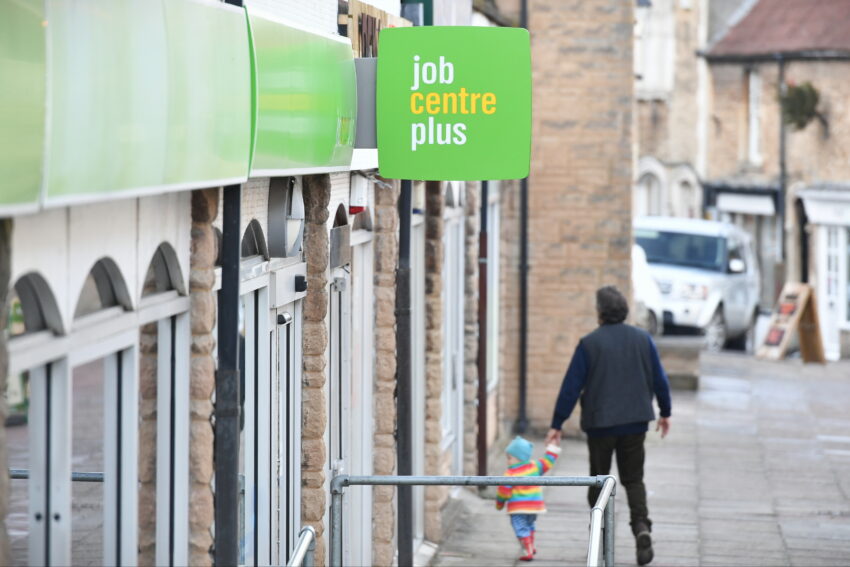
474,000 people are classified as long-term unemployed, having spent more than twelve months out of work, the highest level since January 2016. Since Labour took power in July 2024, an additional 129,000 people have entered long-term joblessness. The rise is linked to payroll impacts from a 26bn employer National Insurance change, hitting SME-heavy retail and hospitality. Longer unemployment creates scarring effects, including skills atrophy, fraying networks, and confidence loss, which reduce productivity, weaken the tax base, and dampen consumer spending. Under-25s face particular harm, since even short unemployment spells can reduce lifetime earnings and career prospects. Youth unemployment has climbed to 16.2%, the highest since January 2015.
"Fresh figures from the Office for National Statistics show that 474,000 people are now classified as long-term unemployed meaning they have spent more than twelve months out of work. It is the highest tally since January 2016 and an unwelcome milestone for a labour market that, until recently, had been a rare bright spot in Britain's stuttering recovery. The deterioration has been sharp."
"Since Labour swept to power in July 2024, an additional 129,000 people have tipped into long-term joblessness, a sobering measure of how Chancellor Rachel Reeves's 26bn raid on employer National Insurance has rippled through payrolls, particularly in the SME-heavy retail and hospitality sectors that are the backbone of high streets up and down the country."
"For owner-managers, the headline statistic is alarming because of what economists call scarring. The longer a candidate is out of work, the steeper the climb back becomes skills atrophy, networks fray and confidence drains. That, in turn, blunts productivity, erodes the tax base and dulls consumer spending, the very engine many small firms rely on."
"Even if some of the rise is cyclical because of the weak economy, the risk is that should the economy pick up they'll find it more difficult to get back to work, he said. Nipping long-term unemployment in the bud really is massively important for the prospects of the economy, as well as for those individuals. Evans was particularly exercised about the under-25s, where, he argued, even brief spells of unemployment can leave a lasting dent on lifetime earnings and career prospects."
Read at bmmagazine.co.uk
Unable to calculate read time
Collection
[
|
...
]