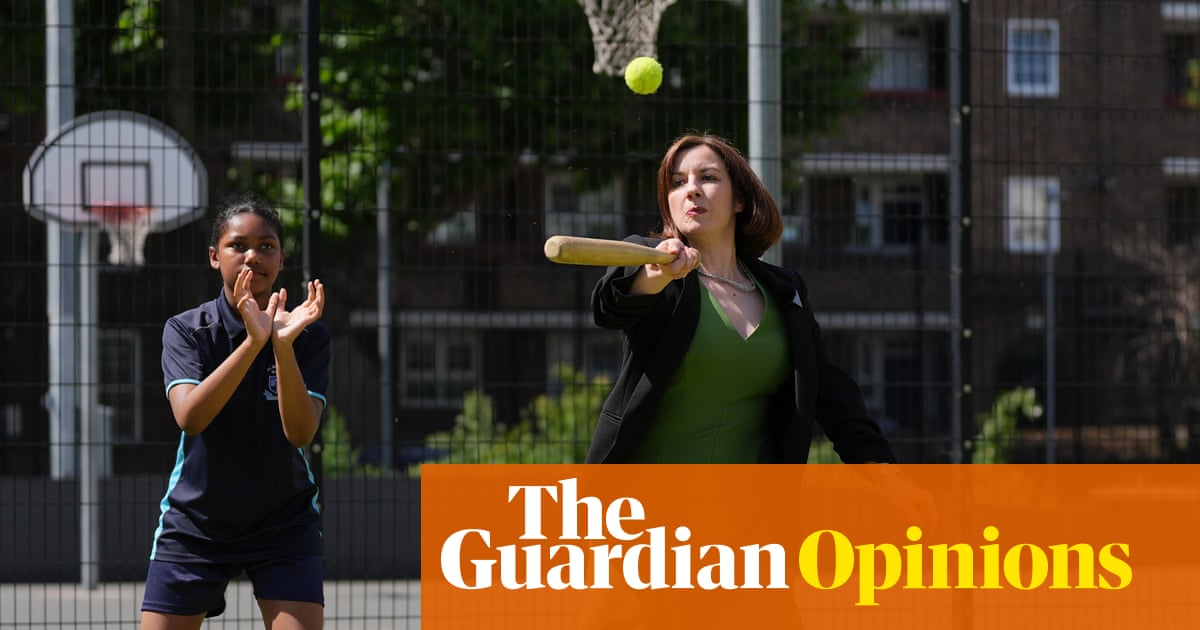
England is reducing the annual £320m sports premium for primary schools while introducing a £193m scheme that also covers secondary schools. The new approach increases the role of outside clubs and coaches, reviving an earlier model. Primary school leaders are unhappy, especially about the speed of the change. Sport England is more supportive because its role is expected to grow. Potential benefits include better opportunities for older pupils who are not already involved in extracurricular activities to connect with external teams. The primary funding cut is viewed as misguided given concerns about childhood obesity and the mental and physical effects of screen use. Guidance already recommends no screens for children under two except joint adult activities, and further online restrictions are expected, including possible bans for under-16s and tighter regulation of addictive design features.
"With remarkably poor timing, days before closing a consultation on children's social media use, the government announced last week that it is cutting an annual 320m sports premium for primary schools in England. A new scheme worth 193m will cover secondaries too, and resurrect a previous model whereby outside clubs and coaches play a bigger role. But primary school leaders are understandably unhappy, particularly about the haste with which this is being done."
"There will be advantages, particularly for older pupils who do not already participate in a busy round of extracurricular activities, in having the chance to make links with outside teams or clubs. But the reduction in dedicated funding for primary-school sports seems wrong-headed at a time when childhood obesity is viewed by experts as one of biggest public health challenges facing the country, and concerns about the mental and physical impacts of screen use are sky-high."
"Some measures to address this are already in place. New guidance recommending that children under two should not use screens at all, except for joint activities with adults, was unexpectedly strong. Further restrictions on what older children can do online are expected soon, with a complete ban on under-16s using social media following similar legislation in Australia one of the options."
"Others include tighter regulation of personalised algorithms and limits on addictive features that are designed to keep people online for longer, including infinite scroll and autoplay. Mo Farah. Photograph: Eric Feferberg/AFP/Getty Images Bridget Phillipson has her hands full with special educational needs reform, not to mention her other job overseeing equality law. But she and her colleagues must ensure that children's sport does not suffer as a result of not belonging clearly enough to her or to any other cabinet minister."
#education-policy #youth-sports-funding #childhood-obesity #social-media-regulation #screen-time-and-child-health
Read at www.theguardian.com
Unable to calculate read time
Collection
[
|
...
]