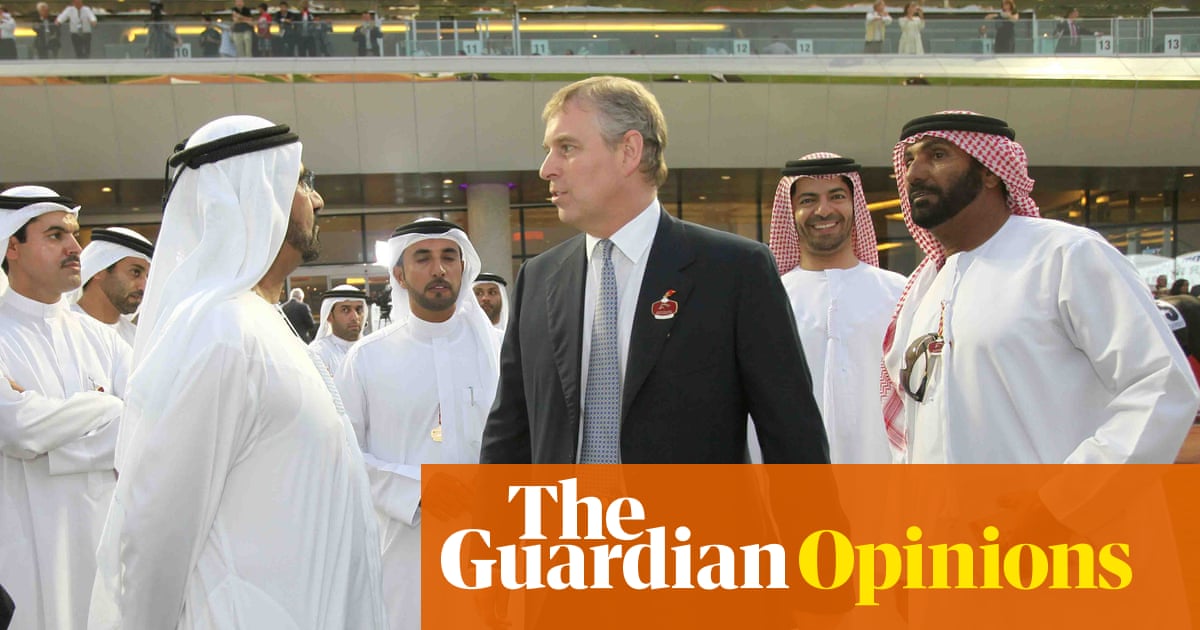
Eleven released documents show that Andrew Mountbatten-Windsor’s appointment as Britain’s trade envoy relied more on royal membership than on business experience or formal vetting. The late Queen had pushed for her son to inherit the role from the Duke of Kent, and David Wright recorded her wish for the then Duke of York to take a prominent part in promoting national interests. In 2000, royalty was central to commercial diplomacy rather than peripheral. The unpaid role was structured to reduce board and paperwork burdens while granting privileged access to trade and diplomatic networks. After the Epstein scandal, the lack of normal scrutiny appears dangerous, especially given emails suggesting sensitive information was forwarded to Epstein.
"The most shocking revelation in files released on Andrew Mountbatten-Windsor's appointment as Britain's trade envoy isn't that he loves golf or prefers ballet over theatre. It is that no one asked the obvious question: how risky would it be for a headline-grabbing prince with no business experience to front the UK's commercial diplomacy without formal vetting? The 11 documents that were released on Thursday show that having experience and being an expert weren't as important as being a member of the royal family."
"After the Epstein scandal, those assumptions no longer look merely anachronistic. They look dangerous. The late Queen pushed, wrongly as it turned out, for her son to inherit the role from the Duke of Kent, according to the papers released through a humble address motion. David Wright, then head of British Trade International, wrote that it was her wish for the then Duke of York to assume a prominent role in the promotion of national interests."
"In 2000, royalty was not peripheral to Britain's commercial diplomacy. It was central to it. The Liberal Democrat leader, Sir Ed Davey, proved his constitutional worth by getting the government to release the papers relating to the open-ended high-profile role for Mr Mountbatten-Windsor. No other candidates were considered. The unpaid job was designed to spare him the burden of board meetings and paperwork while granting him privileged access to Britain's trade and diplomatic networks."
"Trade diplomacy is about networking: receiving prominent visitors, acting as host at meals and receptions, and cultivating relationships at the top. But the informal, personalised diplomacy reads differently after emails emerged that appeared to show the then trade envoy forwarding sensitive information to the disgraced"
#uk-trade-diplomacy #royal-appointments #risk-and-vetting #epstein-scandal #british-trade-international
Read at www.theguardian.com
Unable to calculate read time
Collection
[
|
...
]