"Naomi Fraga has been trying to collect seeds from the rare Death Valley sage for safekeeping in a vault of native California seeds for more than 15 years. Each time, she's come home empty handed. But this year, with the desert in the midst of a big bloom, she's trying again. 'It's a little bit of a gamble,' she says. 'But, you know, the plant's having a really good year. I feel hopeful.'"
"The sage's habitat is mostly protected within the boundaries of Death Valley National Park. But climate change doesn't respect park boundaries and could push these plants that are already living on the brink into even more existential peril. 'You can imagine that if conditions were to get more difficult with a changing climate, it's going to be harder and harder to collect seed,' Fraga says."
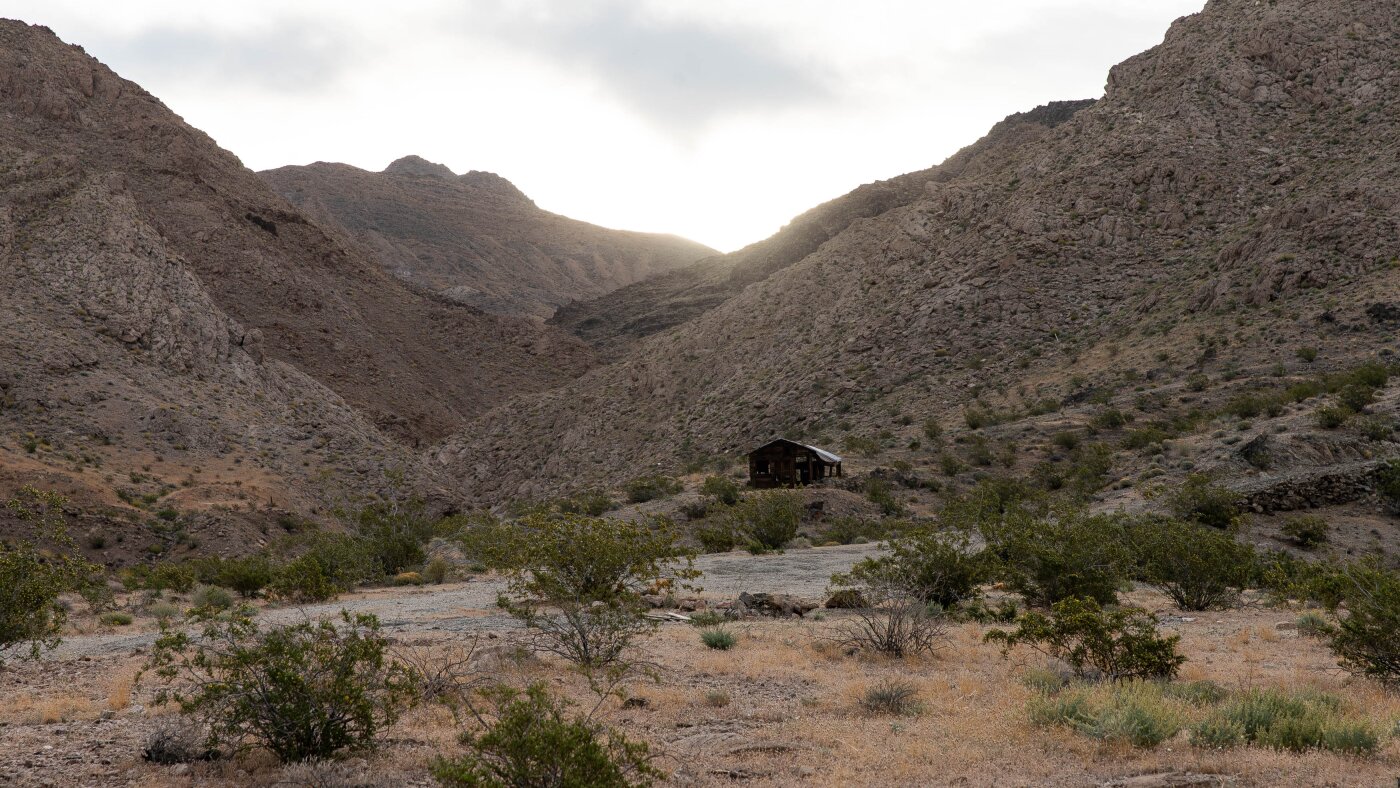
"In late March, Fraga headed into the foothills of the Nopah Range, near an abandoned mine, to check on one of the largest populations she knows of. And for the first time since 2009, she found the seeds. Soon, she says, she'll return with a team to attempt the first big harvest of Death Valley sage seeds."
Naomi Fraga has been attempting to collect seeds from the rare Death Valley sage for over 15 years, often returning empty-handed. This year, with favorable blooming conditions, she feels hopeful. The plant is difficult to study and sample, requiring challenging hikes and drives. Its pollinator remains largely unknown, and dry years prevent flowering and seed production. Climate change poses a significant threat to the plant's habitat, making future seed collection increasingly difficult. In late March, Fraga discovered seeds for the first time since 2009 and plans a major harvest soon.
Read at www.npr.org
Unable to calculate read time
Collection
[
|
...
]