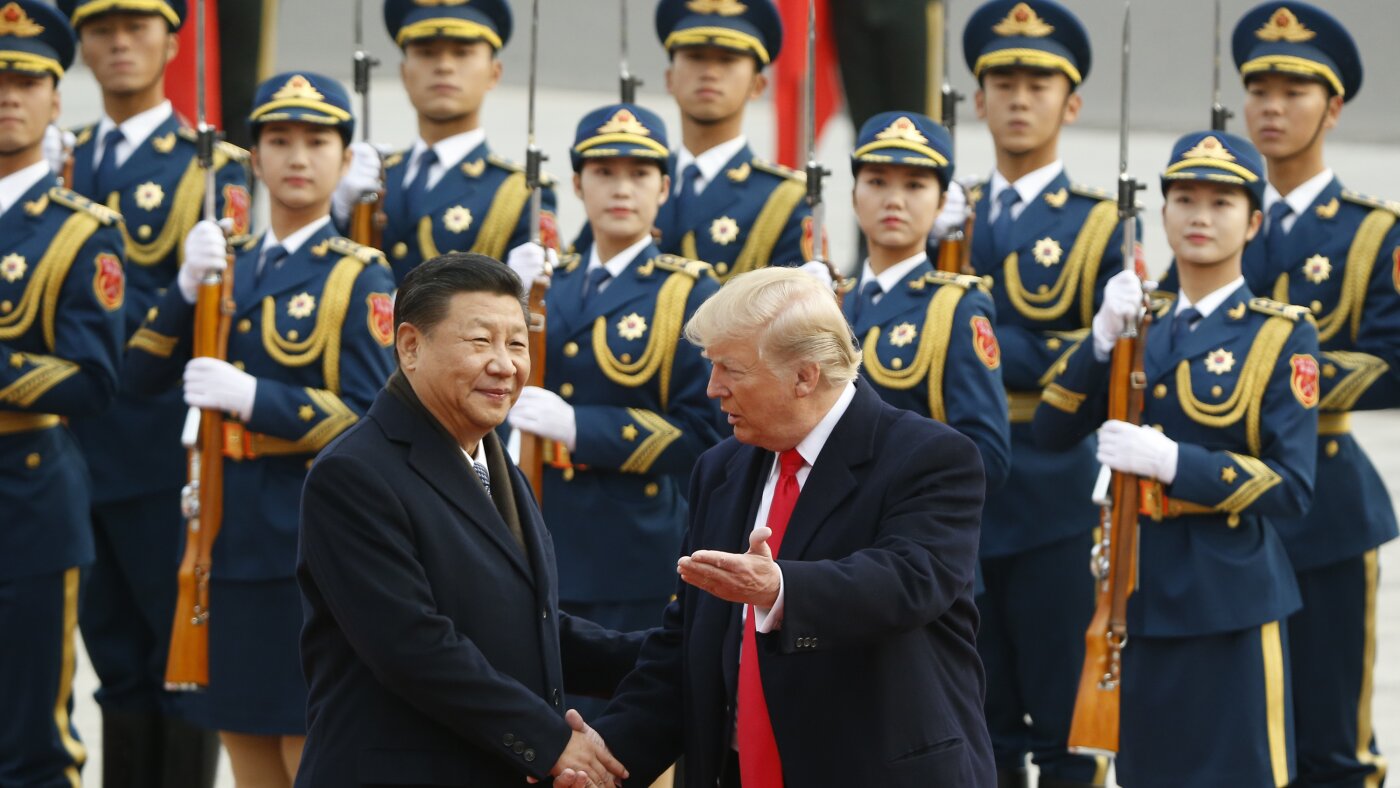
The U.S. has refocused strategy toward the Western Hemisphere, exemplified by forceful action in Venezuela and interest in Greenland. China may be relieved its core region was not directly targeted but remains concerned that U.S. moves aim partly to counter Chinese influence and demonstrate continued appetite for military intervention. Beijing views American willingness to intervene as a major threat to regime security. Historical memory of large-scale U.S. involvement, from the Korean War to interventions after the Cold War, shapes Chinese fears. Chinese analysts note that U.S. engagements abroad both alarm Beijing and provided lessons for China's military modernization.
"China, which the U.S. until recently saw as its "pacing threat," may feel relieved that neither of President Trump's targets were in its neighborhood. On the other hand, it may also worry that U.S. actions are aimed in part at countering China's influence, per Trump's and his officials' explanations, and that Trump's "America First" rhetoric has not reduced his appetite for what China calls "military adventurism.""
""Given how much significance China attaches to regime security, American willingness to intervene is the greatest concern for Beijing," says Tong Zhao, an expert on strategic security issues and nuclear weapons at the Carnegie Endowment for International Peace. China's experience of U.S. foreign intervention Beijing's concerns about U.S. foreign military intervention stretch back to the early days of the Communist-led People's Republic, when China deployed as many as 3 million troops and support personnel to the Korean Peninsula over the course of the 1950-1953 Korean War."
Read at www.npr.org
Unable to calculate read time
Collection
[
|
...
]