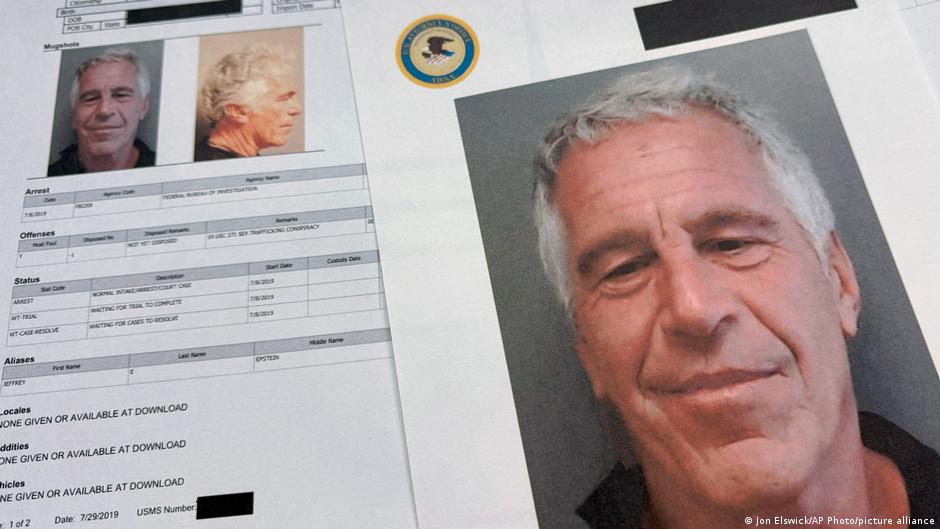
In late January, the US Department of Justice released over 3.5 million documents related to Jeffrey Epstein, containing 180,000 images and 2,000 videos. This public release enabled examination of Epstein's connections to prominent figures but simultaneously generated significant misinformation. Social media platforms were quickly flooded with screenshots, name lists, and unverified claims. Experts emphasize that appearing in documents does not verify involvement in criminal activity and requires contextual examination. The documents must be made machine-readable before searchable analysis. Major news organizations like the New York Times undertook complex verification projects. AI-generated images and false claims circulated rapidly, including fabricated photos of celebrities with Epstein, demonstrating the challenge of separating credible information from viral fiction.
"Just having the documents doesn't mean you can search them immediately. You have to make them machine-readable first. Even though these are now public records, it does not mean they are verified, true or accurate. A name appearing in a document does not, by itself, establish involvement in criminal activity. Each reference must be examined in full context."
"Within hours of the release, social media platforms were flooded with screenshots, name lists and dramatic claims—not all of which hold up to scrutiny. The outlet has described the undertaking as one of the largest and most complex reporting projects in recent New York Times history."
#misinformation-and-disinformation #fact-checking #social-media-verification #ai-generated-content #public-records-analysis
Read at www.dw.com
Unable to calculate read time
Collection
[
|
...
]