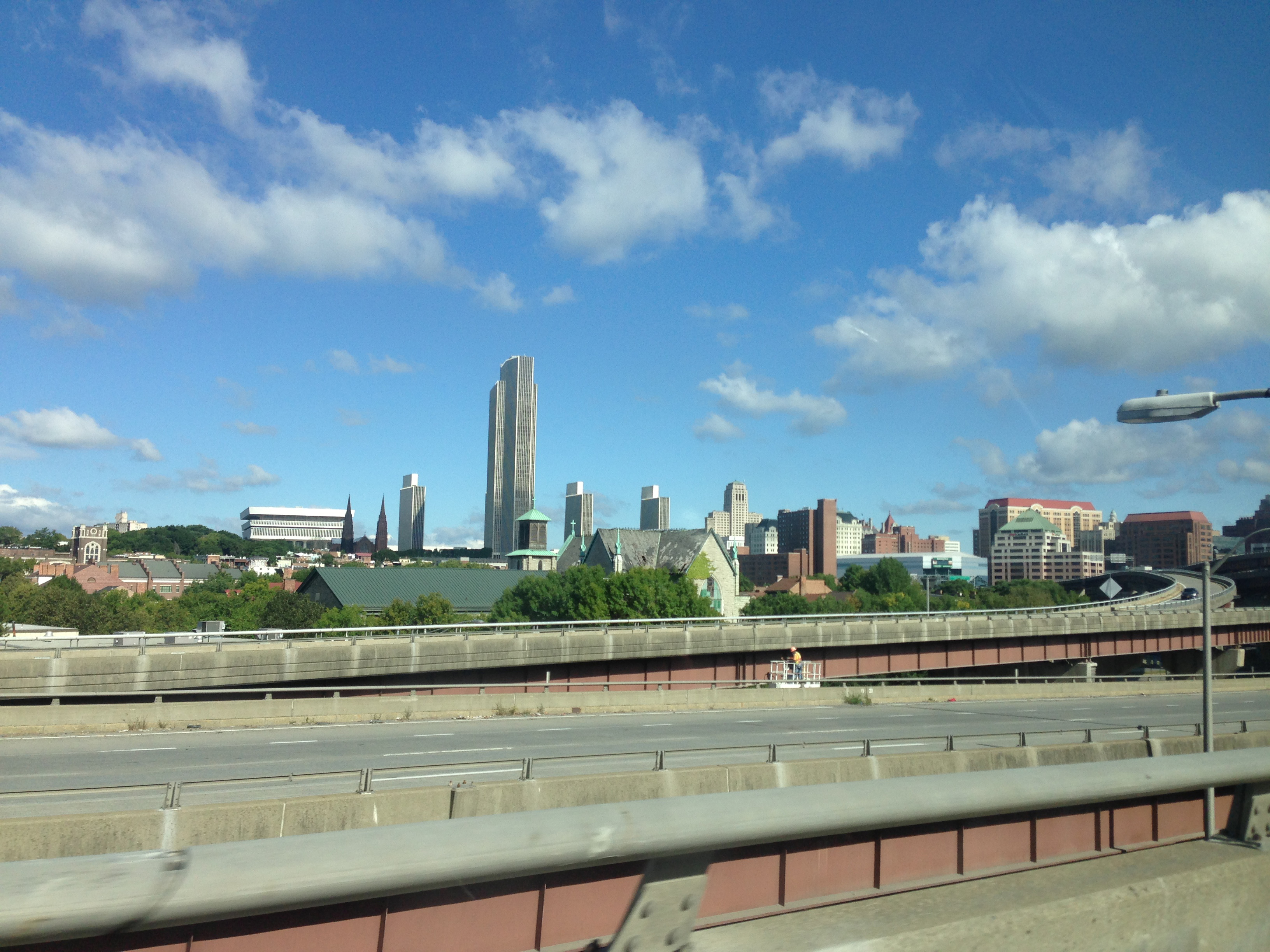
"Albany is at a pivotal moment, and the city and the state can't risk letting the past define the future. Building off efforts to repair cities like Rochester, Buffalo and Syracuse, New York is exploring the future of I-787, the overbuilt highway separating Capital Region communities from the Hudson River and each other. State DOT published its Planning and Environmental Linkages (PEL) Study in the fall of 2025 and is now moving into the environmental review process,"
"But when it comes to the bigger picture of how changes to I-787 can truly impact these communities, the vision for real, transformative change is missing. To restore the health and vibrancy of our Hudson Riverfront communities, we must stop prioritizing the travel times of people driving through our cities. Simply put, we cannot solve the problems of I-787 using the same thinking that created it."
Albany faces a pivotal choice about reconnecting communities to the Hudson River and repairing past planning decisions. New York State is evaluating alternatives for I-787, following a PEL study and entering environmental review. The PEL emphasizes public outreach, connectivity to the riverfront, and the high cost of maintaining over one million square feet of highway. Identified projects range from relocating the Albany–Rensselaer bridge and converting the South Mall Arterial to at-grade roadway to smaller connections like Little River in Menands and 16th Street in Watervliet. The PEL lacks a bold, transformative vision and relies too heavily on level-of-service metrics that prioritize through-traffic over local vitality.
Read at Streetsblog
Unable to calculate read time
Collection
[
|
...
]