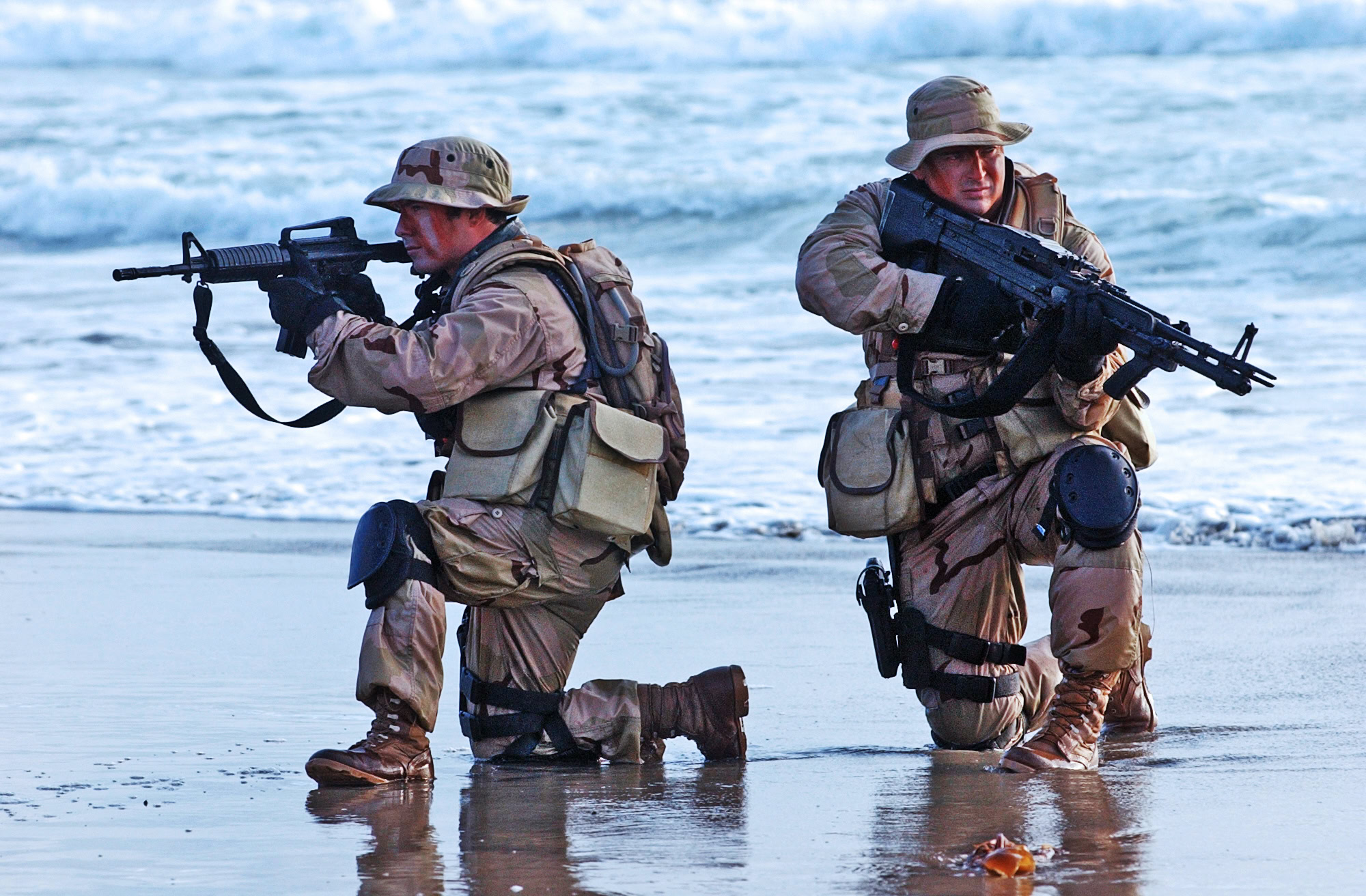
"At a glance, Navy SEALs don't appear to use radically different weapons than conventional infantry units. The difference is not the rifle or the optic, but how those weapons are trained and judged under pressure. SEAL missions rarely allow clean sight pictures or predictable engagements, and their training reflects that reality. Here, 24/7 Wall St. is taking a closer look at how Navy SEAL weapons training differs from conventional infantry."
"Understanding why Navy SEAL weapons training differs so sharply from conventional infantry instruction helps clarify how modern special operations are actually fought. These training methods are not about exclusivity or prestige, but about preparing for missions where time, space, and consequences are compressed into seconds. By examining the logic behind these differences, the article moves beyond myth and gear to show how judgment, restraint, and adaptability are deliberately trained into elite units. This perspective offers a clearer view of how small teams operate effectively"
Navy SEAL weapons training prioritizes decision-making, restraint, and adaptability under compressed time, space, and margin-for-error conditions. Training simulates chaotic, unpredictable engagements where clean sight pictures and predictable target sets are rare. SEALs use similar small arms as conventional infantry but evaluate performance on judgment under pressure rather than only marksmanship metrics. Emphasis falls on rapid threat discrimination, team coordination, and rules-of-engagement compliance. Conventional infantry training focuses more on sustained contact, equipment proficiency, and predictable engagement geometry. SEAL training conditions and evaluation methods prepare small teams for high-consequence, time-compressed special operations where traditional training models are insufficient.
Read at 24/7 Wall St.
Unable to calculate read time
Collection
[
|
...
]