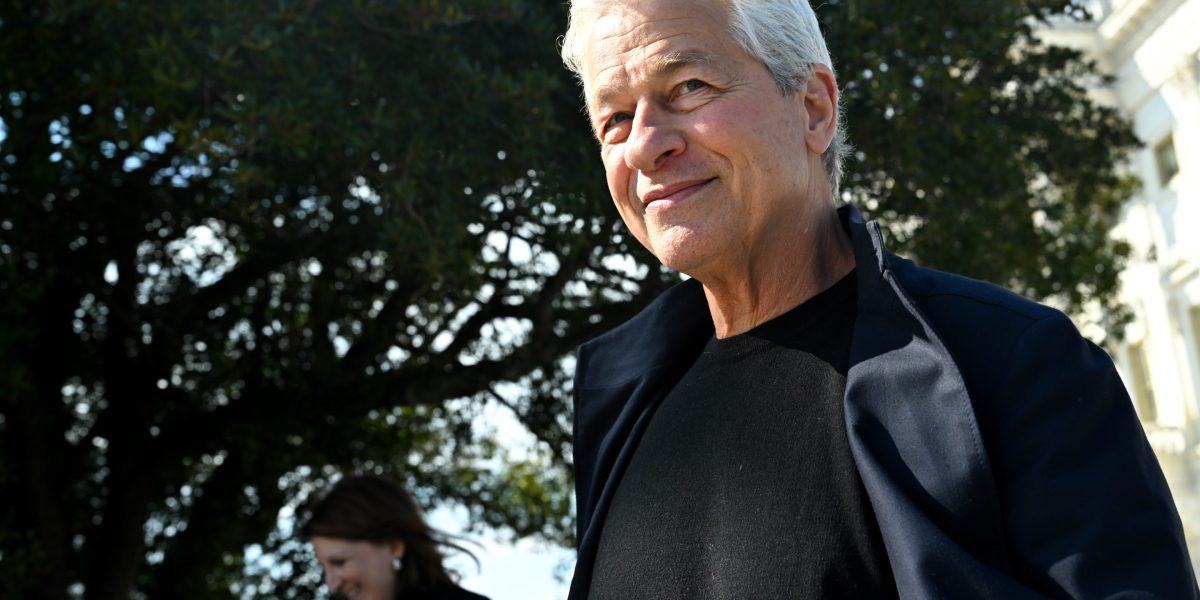
"We look at risk, at the broad range of outcomes, and there are negative outcomes. One of them would be inflation, I call it the skunk at the party. It's been coming down, but it seems to maybe have levelled off around 3%. If things make it go up-and this is only one thing, you can look at medical prices, construction prices, insurance prices, wages-inflation is a big thing."
"Like many of his peers on Wall Street, he's not sold on the notion that a conflict in Iran will materially increase the cost of living in the United States-that is, unless it drags on past the month or so that President Trump has suggested."
"The Middle Eastern military action may prove inflationary due to disruptions to trade routes. Iran sits along both the Persian Gulf and the Gulf of Oman, and most notably, the narrower stretch of the Strait of Hormuz, which links the two."
Recent U.S. and Israeli military actions against Iran have triggered concerns about potential economic impacts, particularly regarding oil prices and inflation. Jamie Dimon, CEO of J.P. Morgan, warns that inflation represents the primary economic risk, though he believes a brief conflict will have minimal impact on U.S. cost of living. Dimon characterizes inflation as the "skunk at the party," noting it has stabilized around 3% but could rise if military tensions persist. He emphasizes that oil disruption is only one factor among many contributing to inflation, including medical prices, construction costs, insurance, and wages. The risk escalates significantly if military action extends beyond the timeframe President Trump suggested, particularly given Iran's strategic location controlling the Strait of Hormuz, a critical global trade route.
#iran-conflict-and-inflation #oil-prices-and-supply-disruption #strait-of-hormuz-trade-routes #us-economic-concerns #wall-street-analysis
Read at Fortune
Unable to calculate read time
Collection
[
|
...
]