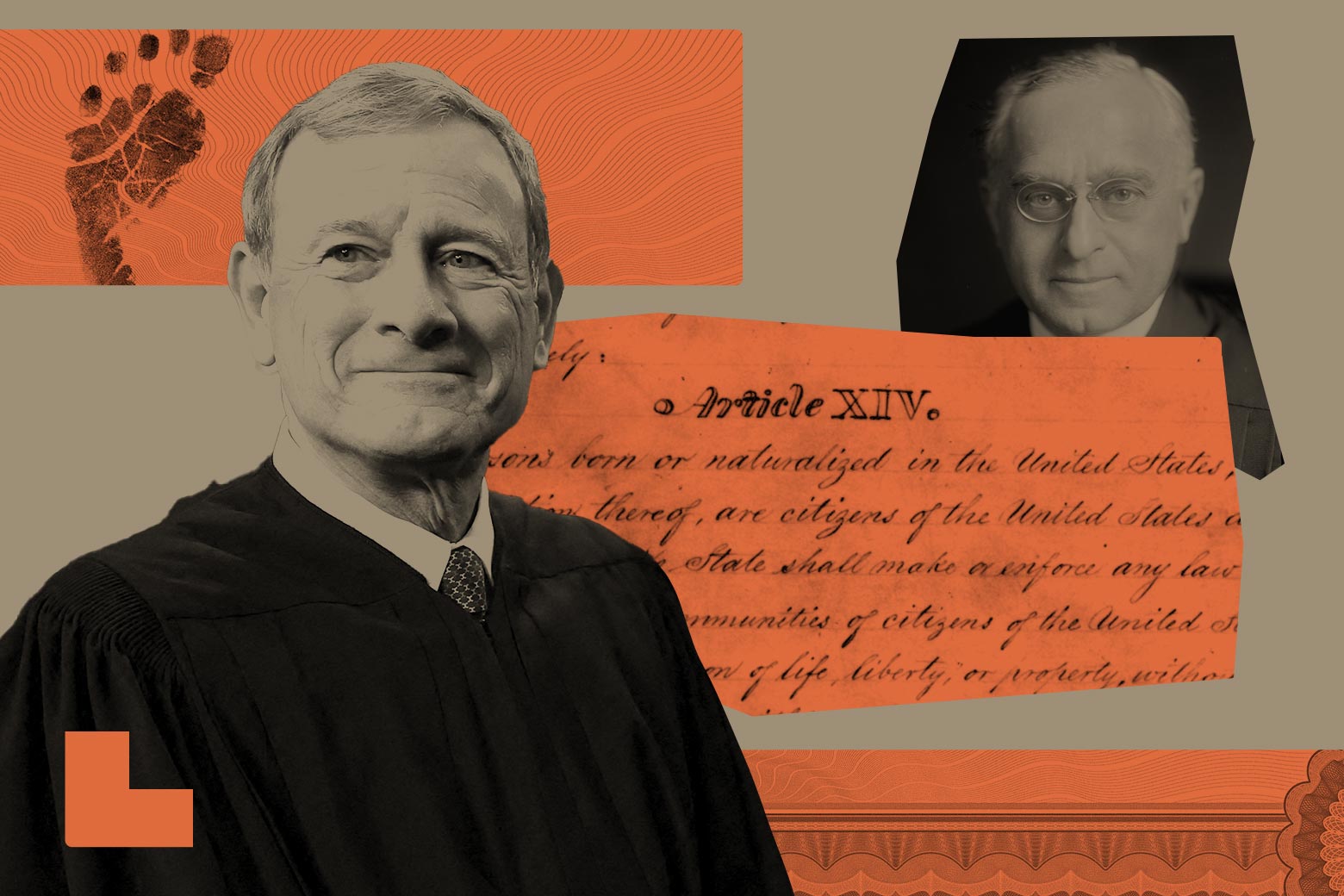
"As the Supreme Court has finally moved toward looking at the merits of President Donald Trump's attempts to end birthright citizenship, the famous Wong Kim Ark case of 1868 has loomed particularly large. While that precedent certainly bolsters the case for striking down Trump's executive order seeking to end birthright citizenship, there is an often-ignored series of cases from much more recently that speak even more directly to the issues in this case."
"Just after World War II, the U.S. government started to implement the provisions of the Nationality Act of 1940 that allowed the federal government to deprive Americans-native-born and naturalized alike-of their citizenship for reasons like voting in a foreign election, joining a foreign army, remaining for six months or longer within any foreign state of which they or either of their parents have been a national, or for evading the draft."
The Nationality Act of 1940 enabled the federal government to revoke citizenship for acts such as voting in foreign elections, serving in foreign armies, long residence in a parent's foreign state, or draft evasion. From 1945 to 1967 the government stripped between 1,000 and 8,000 Americans of nationality each year, totaling more than 120,000 people and a majority of them native-born. A number of affected individuals challenged denationalization in the courts, producing nine Supreme Court cases between 1955 and 1967. The practice ended with the unanimous 1967 Afroyim v. Rusk decision declaring those statutory provisions unconstitutional and affirming birthright citizenship.
Read at Slate Magazine
Unable to calculate read time
Collection
[
|
...
]