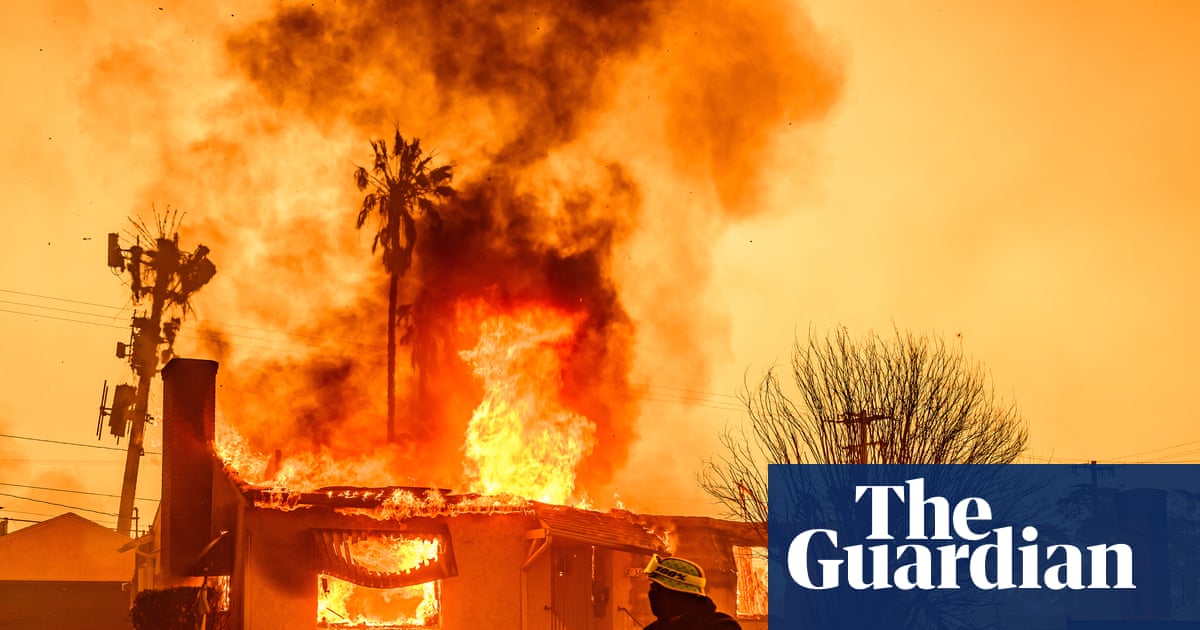
"Donald Trump has presided over a dangerous erosion in US capacity to prepare for and respond to natural disasters, according to emergency management experts. The first year of his second term was marked by crackdowns on climate science that produced world-class weather forecasts and the gutting of frontline federal agencies - policies that have left the country, already struggling to keep pace with severe storms, even more at risk."
"Deep budget cuts and massive firing sprees shrank emergency response agencies, including the Federal Emergency Management Agency (Fema), the agency tasked with coordinating national disaster responses, and the National Oceanic and Atmospheric Administration (Noaa), considered a global crown jewel for climate science. After Trump took office in January, his administration also worked quickly and diligently to claw back funding for climate-resilience initiatives, cancel research contracts and pull down data relied on by industry and the public alike."
"Fema, bereft of strong leadership and sinking under low morale and large gaps in its workforce, went into hurricane season without a plan in place. Gutted weather-balloon networks in Alaska failed to adequately warn residents in advance of what would become one of the most destructive storms in state history. It took administration officials more than 72 hours to authorise the deployment of federal search-and-rescue teams after the Guadalupe river in Texas surged into a summer camp and through nearby communities in July,"
Deep budget cuts and massive firing sprees have shrunk emergency response agencies, including Fema and Noaa, undermining national disaster coordination and climate science capacity. The administration clawed back funding for climate-resilience initiatives, cancelled research contracts and removed publicly relied-upon data. These actions degraded weather forecasting and monitoring systems, including weather-balloon networks in Alaska, and reduced workforce and morale at frontline agencies. Emergency response planning suffered, leading to gaps during a severe hurricane season and delayed federal search-and-rescue authorizations after deadly floods in Texas. Meanwhile, climate extremes continued, with multiple category 5 hurricanes, record heat and humidity, and destructive fires and floods.
Read at www.theguardian.com
Unable to calculate read time
Collection
[
|
...
]