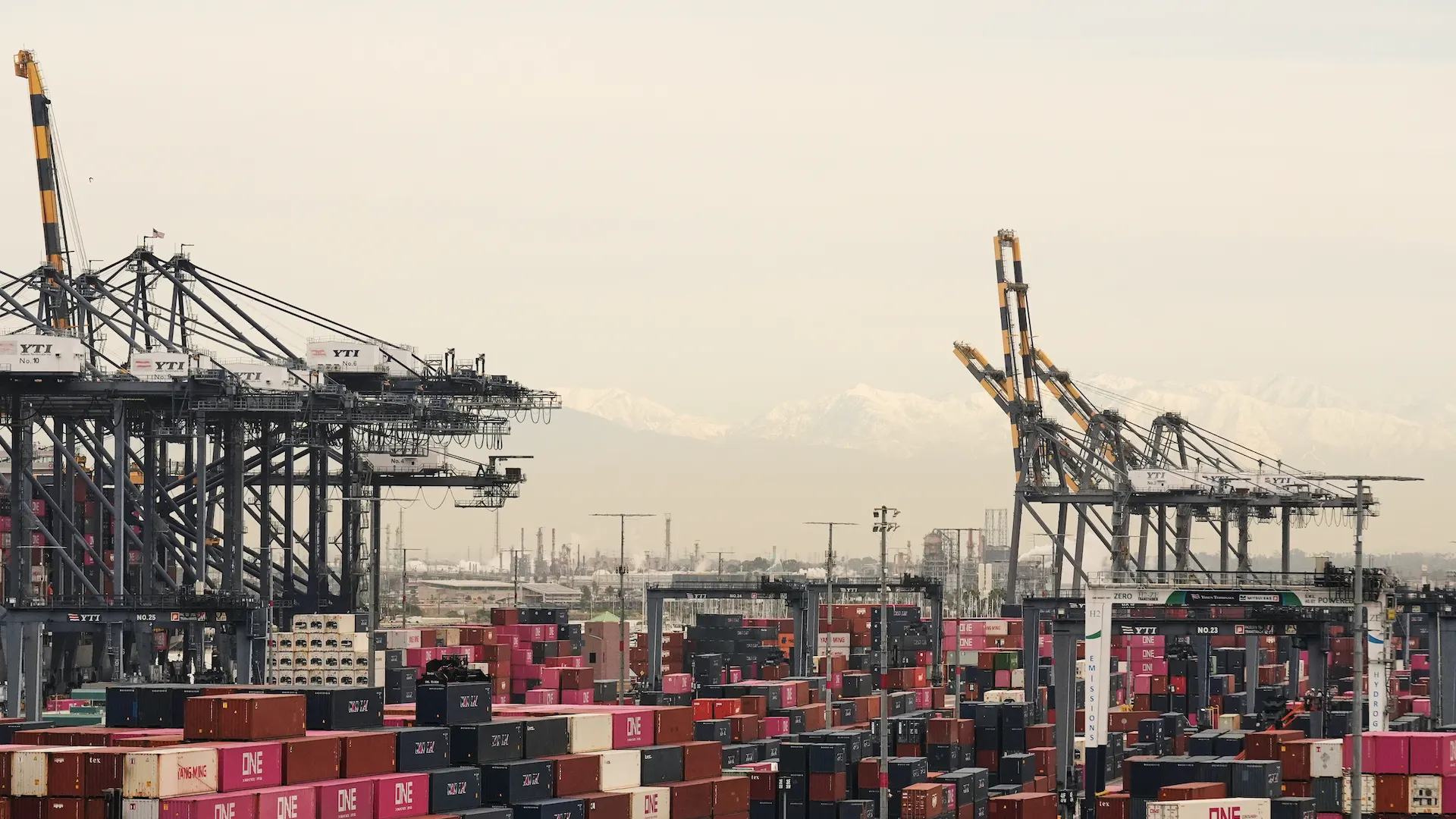
The Jones Act, officially the Merchant Marine Act of 1920, requires goods transported between U.S. ports to use U.S.-flagged vessels built and owned by Americans with U.S. crews. Originally enacted to rebuild American shipping after World War I, the law protects the domestic shipping industry but has faced criticism for increasing costs and slowing goods delivery. The Trump administration announced a 60-day waiver of Jones Act requirements to mitigate steep oil prices and cargo disruptions caused by ongoing conflict. The law can be suspended under national defense provisions through the Homeland Security or Defense Department. Analysts debate whether this temporary waiver will meaningfully reduce consumer fuel costs.
"The Jones Act requires that goods hauled between U.S. ports be moved on U.S.-flagged vessels. Passed in 1920, this law aims to protect the American shipping sector - but it's also faced criticism over the years for slowing the delivery of goods, including critical aid during time of crisis."
"Among other things, the Jones Act mandates that ships carrying cargo and passengers between U.S. ports must be built in the United States and owned by Americans - effectively prohibiting foreign-flagged ships from this domestic trade. The vessels are also required to carry U.S. crews."
"Congress passed the law - sponsored by Sen. Wesley Jones of Washington state - in an effort to rebuild U.S. shipping after German U-boats decimated America's merchant fleet during World War I."
#jones-act-waiver #maritime-shipping-policy #energy-market-disruption #supply-chain-crisis #us-shipping-regulation
Read at Fast Company
Unable to calculate read time
Collection
[
|
...
]