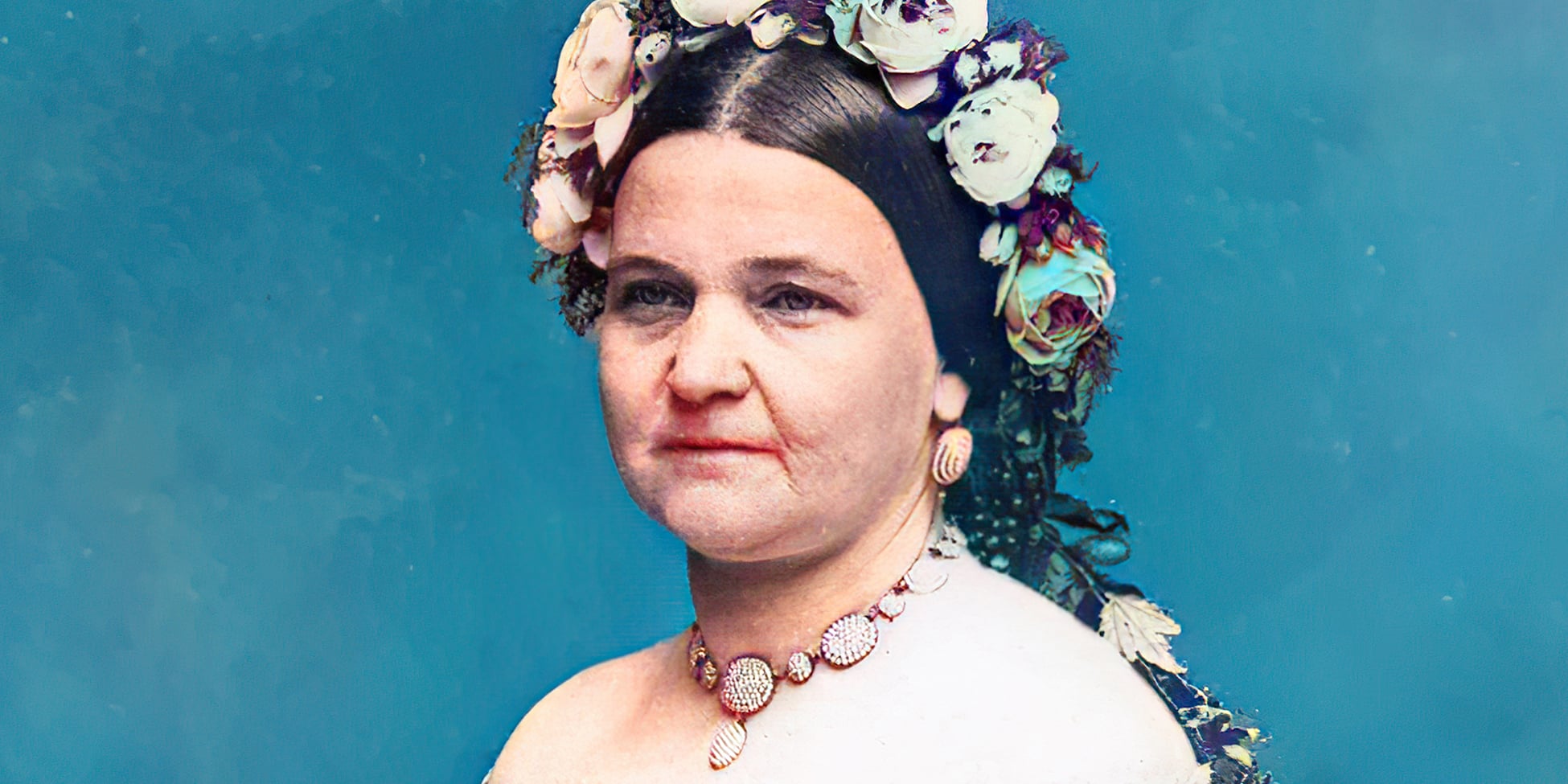
On March 4, 1861, Mary Todd Lincoln rode into Washington during her husband’s inauguration amid bright weather and heightened danger. Security forces turned the city into a fortress after rumors that Southern rebels planned to kidnap or assassinate Abraham Lincoln before he was sworn in. Infantry lined the streets, sharpshooters occupied rooftops and windows, and marshals and mounted soldiers surrounded the open carriage with orders to shoot anyone crowding it. Armed militiamen were positioned around the inaugural podium after reports of a planned explosion. Mary sat on the inaugural stage behind Lincoln with their sons and many family members, while observers described a crowd filled with mixed emotions including hatred, discontent, anxiety, and admiration. Her long-held ambition to become First Lady collided with the reality of political instability and personal vulnerability.
"General Winfield Scott had turned Washington into a fortress after rumors swept the city that Southern rebels would try to kidnap or assassinate Lincoln before he could be sworn in. Infantrymen lined the streets. Sharpshooters stood on rooftops and in the windows of the Capitol. Marshals and mounted soldiers surrounded the open carriage that carried Lincoln and President Buchanan, with orders to shoot anyone crowding it."
"Having heard that rebels would attempt to blow up the platform where Lincoln would speak, Scott stationed armed militiamen beneath and around the podium. Mary sat behind her husband on the inaugural stage, with their three sons and a legion of Todd family members. Her cousin Elizabeth Todd Grimsley keenly felt the tension, later describing the "sea of upturned faces, representing every shade of feeling; hatred, discontent, anxiety, and admiration.""
"This emotional kaleidoscope would become Mary's reality. She had long believed becoming First Lady was her destiny, the role she had aspired to her whole life. She envisioned herself as mistress of the land, a social queen, a fashion doyenne, and a supportive spouse who commanded respect and admiration."
"Her only previous foray into the Washington power vortex had been a disaster: As the wife of a lowly freshman congressman, she and her toddlers were forced to live in a cramped rooming house with all men while her husband worked long hours. But now she was moving into the city's most prestigious address. She would bring to 1600 Pennsylvania Avenue the impressive assets that had made her popular in Springfield, I"
#mary-todd-lincoln #abraham-lincoln-inauguration #civil-war-security #washington-dc-1861 #winfield-scott
Read at Washingtonian - The website that Washington lives by.
Unable to calculate read time
Collection
[
|
...
]