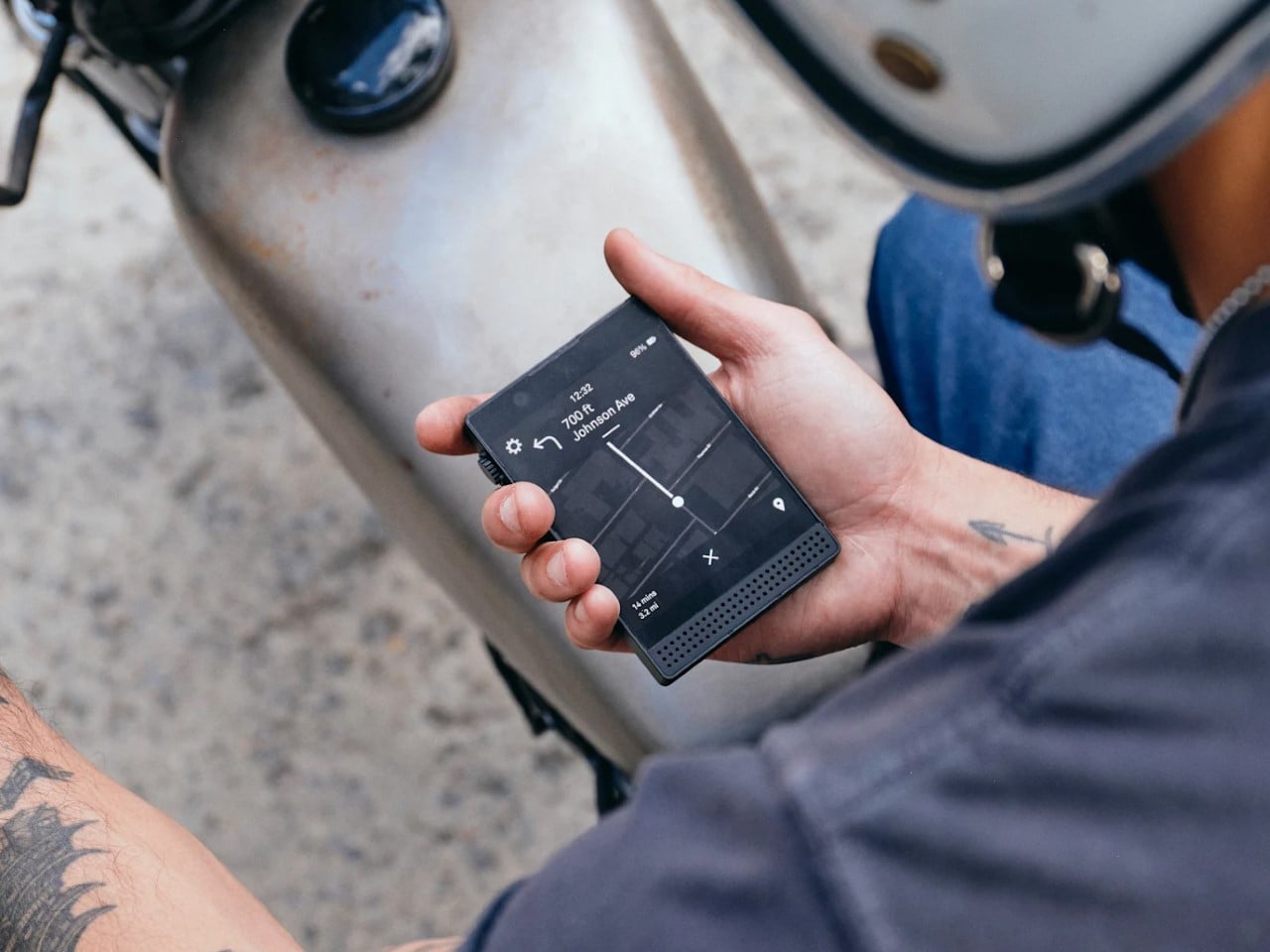
"The year 2026 marks a historic pivot in personal technology. We are moving past the era of the "AI chatbot" trapped inside a website and entering the age of ambient hardware. While 2025 was defined by software experimentation, 2026 is the year when specialized AI silicon, smart glasses, and wearable pins have matured into indispensable daily companions. These next-gen devices aren't just faster smartphones; they represent a fundamental shift in how we interact with the digital world."
"The traditional glass rectangle is no longer the sole gateway to the internet. In 2026, we are seeing the rise of screenless interfaces and augmented reality glasses that prioritize voice and gesture over scrolling. Devices like AI-powered rings and lightweight smart glasses have moved from niche gadgets to mainstream essentials, offering a "heads-up" lifestyle that keeps users engaged with the real world. A desire for frictionless interaction drives this hardware shift."
2026 marks a pivot toward ambient hardware that embeds AI into wearables and screenless interfaces. Specialized AI silicon and smart glasses transform interactions from reactive phone use to proactive, anticipatory assistance. Voice and gesture rise as primary inputs while designs prioritize real-world engagement through heads-up, invisible technology. Wearables like AI-powered rings, lapel pins, and lightweight glasses move into mainstream use for navigation, translation, and continuous monitoring without distraction. The Acer FreeSense Ring exemplifies this trend with continuous health monitoring in a slim titanium form factor: 2.6mm thick, 8mm wide, 23 grams, water-resistant to 5 ATM, available in multiple finishes and seven sizes.
Read at Yanko Design - Modern Industrial Design News
Unable to calculate read time
Collection
[
|
...
]