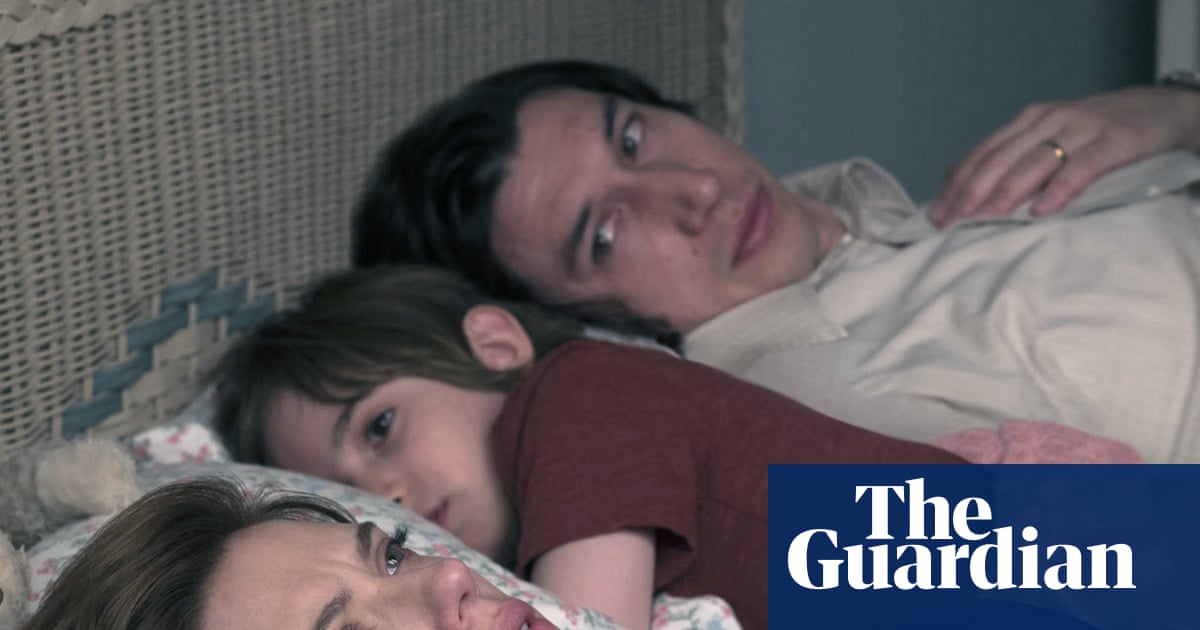
"The pain of mothers separated from their children, of children sobbing for their mothers, of adults who have never moved on from the trauma of their youth, and of young people who are forced to live out the conflicts of their elders. Lara Feigel casts her net across history and fiction, reportage and memoir, and while her research is undeniably impressive and her candour moving, at times she struggles to create a narrative that can hold all these tales of anguish together."
"The book begins with a woman flinging herself fully clothed into a river and then restlessly walking on, swimming again, walking again. This is French novelist George Sand, driven to desperate anxiety as she waits to go into court to fight for the right to custody of her children. But almost immediately the story flicks away to Feigel's own custody battle, and then back into the early 19th century, with Caroline Norton's sons being taken away in a carriage in the rain by their father."
Child custody history is full of pain: mothers separated from their children, children sobbing for their mothers, adults left with lasting trauma, and young people forced to live out elder conflicts. Accounts draw on history, fiction, reportage, and memoir, combining extensive research and candid personal experience while sometimes struggling to unify disparate tales. Notable cases include George Sand's desperate anxiety before a custody trial, Caroline Norton having her sons taken away and later campaigning for women's property and child rights despite tragic estrangement, and Elizabeth Packard being confined to an asylum for disagreeing with her husband's religion. These stories show persistent prejudice and legal practices that continue to cause unnecessary harm to children and families.
Read at www.theguardian.com
Unable to calculate read time
Collection
[
|
...
]