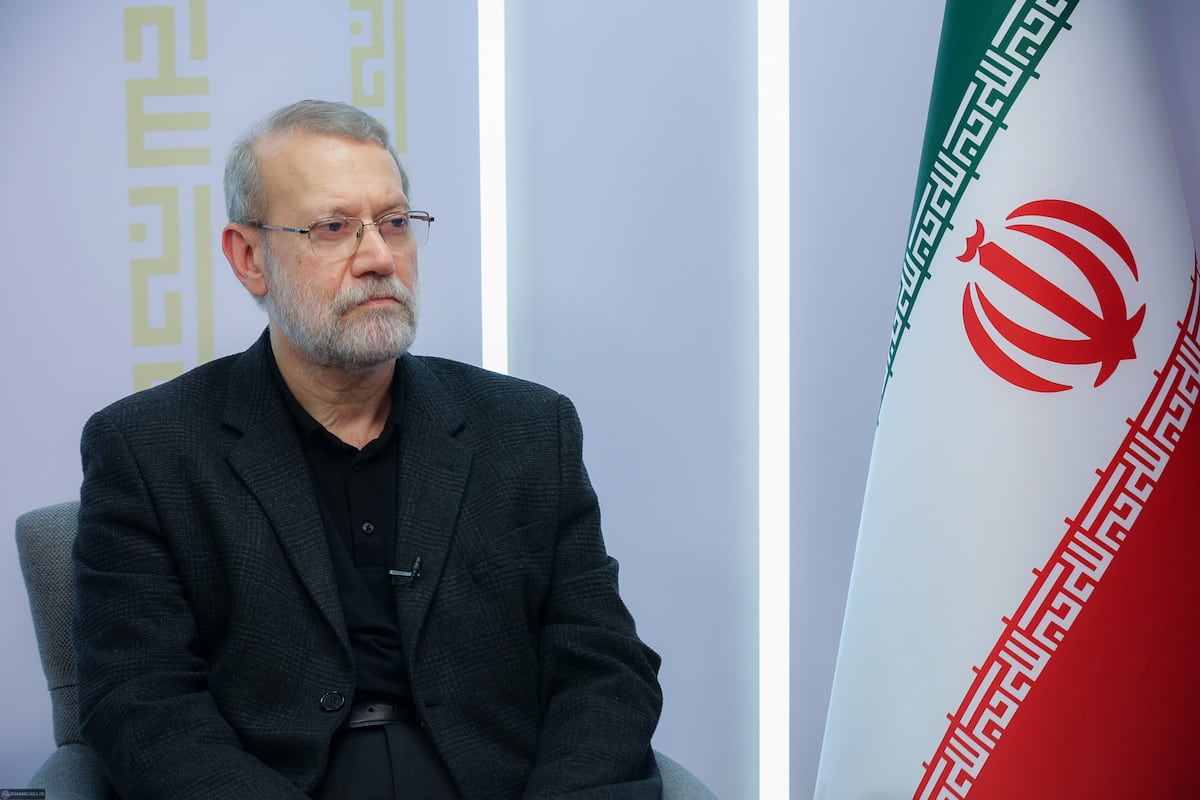
"Ali Larijani was a symbol of the complex interplay between power, family, and ideology in Iran; a politician who, drawing on his military experience, nepotism, and pragmatism, managed to consolidate a unique position within the complex Iranian power structure and become a central player in the country's defining moments."
"He came from a Shiite clerical family originally from the Larijan region of Amol, in northern Iran, on the shores of the Caspian Sea. His father, Mirza Hashem Amoli, was a prominent cleric. Larijani had four brothers all of whom held high-ranking political, judicial, and security positions who played prominent roles in the Iranian power structure."
"His background in logical and structured thinking, along with his strong family connections, facilitated his rise and were reflected in his political and security approach, which was always aligned with preserving the system."
Ali Larijani, born in 1958 in Najaf, Iraq, came from a prominent Shiite clerical family with deep roots in Iranian politics. His father was a respected cleric, and his four brothers held high-ranking positions in political, judicial, and security sectors. Strategic family marriages to daughters of influential clerics strengthened the family's political influence. Larijani's education included computer science from Sharif University and a doctorate in philosophy from the University of Tehran. His father-in-law, Morteza Motahari, a prominent religious theorist close to Khomeini, significantly influenced his career trajectory. Larijani's combination of military experience, family connections, and pragmatic approach enabled him to consolidate a unique position within Iran's complex power structure, making him central to defining political moments.
#iranian-politics #security-leadership #family-influence #islamic-republic #political-power-structure
Read at english.elpais.com
Unable to calculate read time
Collection
[
|
...
]