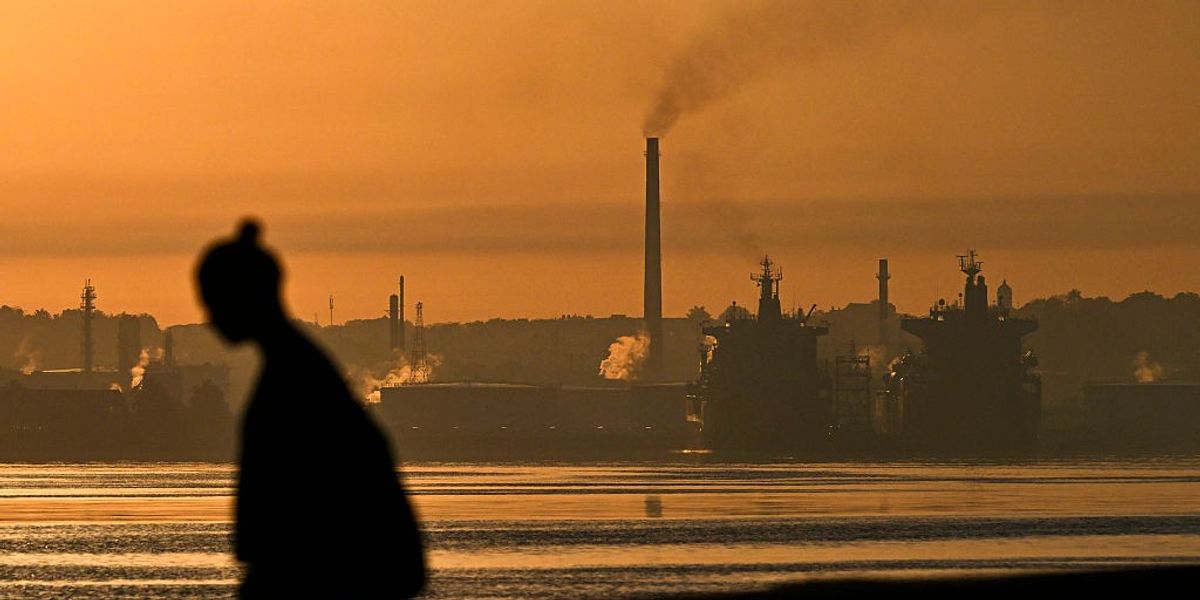
"Just 90 miles from Florida, Cuba's energy crisis has metastasized from an economic catastrophe into a national security vulnerability. Although Havana struggles to maintain the lights, Beijing and Moscow have come to Cuba's aid not as charitable donors but as strategic opportunists seeking to expand their intelligence-collection capabilities. The State Department warned just one day after the latest outage that "scheduled power cuts occur daily, and unscheduled outages persist throughout Cuba.""
"Following the U.S. seizure of control over Venezuelan oil operations in early January, Mexico had become Cuba's primary supplier, shipping nearly 20,000 barrels per day through September 2025. Yet, under mounting pressure from the Trump administration, which threatened tariffs on any country supplying Cuba with oil, Mexican President Claudia Sheinbaum announced in late January that shipments had been at least temporarily halted. The figure had already plummeted to about 7,000 barrels per day, leaving Cuba essentially without oil imports for the first time in years."
Cuba is experiencing daily scheduled and unscheduled power outages as thermoelectric plants operate at roughly 34 percent capacity and Turkish-leased floating plants have left after unpaid bills. Oil imports fell sharply after U.S. control over Venezuelan operations and Mexico’s temporary halt to shipments, reducing flows from nearly 20,000 to about 7,000 barrels per day and leaving the island effectively without oil. Beijing and Moscow are supplying aid as strategic opportunists and using Cuban access to extend intelligence-collection, enabling monitoring of U.S. military installations, Cape Canaveral launches, Southern Command communications, and naval movements in the region.
Read at The Cipher Brief
Unable to calculate read time
Collection
[
|
...
]