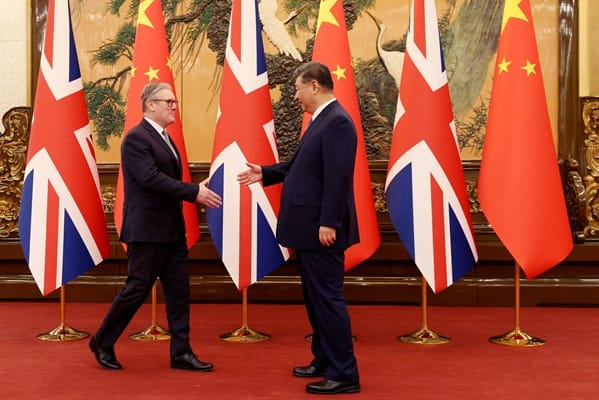
"For UK business leaders, speeches matter less than outcomes. Companies don't run on atmospherics, they trade in rules, risks, and returns. Starmer's visit signals that London wants commercial engagement again. Fine. The real question is what UK firms actually get from this reset beyond headlines and handshake photos. First, predictability. British firms can handle competition, what they can't handle moving goalposts. China remains a vast market for finance, manufacturing, education, and consumer brands,"
"Second, clarity on risk. A modern China policy can't be blind enthusiasm, and it can't be constant alarm. Starmer talks about engagement alongside vigilance on security, which is politically neat, but which also commercially vague. UK companies need a clearer sense of where the boundaries sit and where government wants them to lean in. Tech, data, critical infrastructure, and defence-linked sectors obviously need guardrails. Consumer goods, services, and non-sensitive manufacturing should be encouraged. Firms can manage risk when the framework is explicit."
Keir Starmer visited Beijing, the first UK prime ministerial trip in eight years, with a warm tone and clear commercial ambition. The Prime Minister aims for a more sophisticated relationship with China amid shifting global alliances and US uncertainty. UK companies prioritize concrete outcomes over atmospherics and need predictability in licensing, fewer arbitrary delays, and transparency when regulations change. Firms also need clarity on risk boundaries, with guardrails for tech, data, critical infrastructure, and defence-linked sectors while encouraging consumer goods and services. Consistent rules on capital and investment are necessary for boards to view China as long-term growth.
Read at London Business News | Londonlovesbusiness.com
Unable to calculate read time
Collection
[
|
...
]