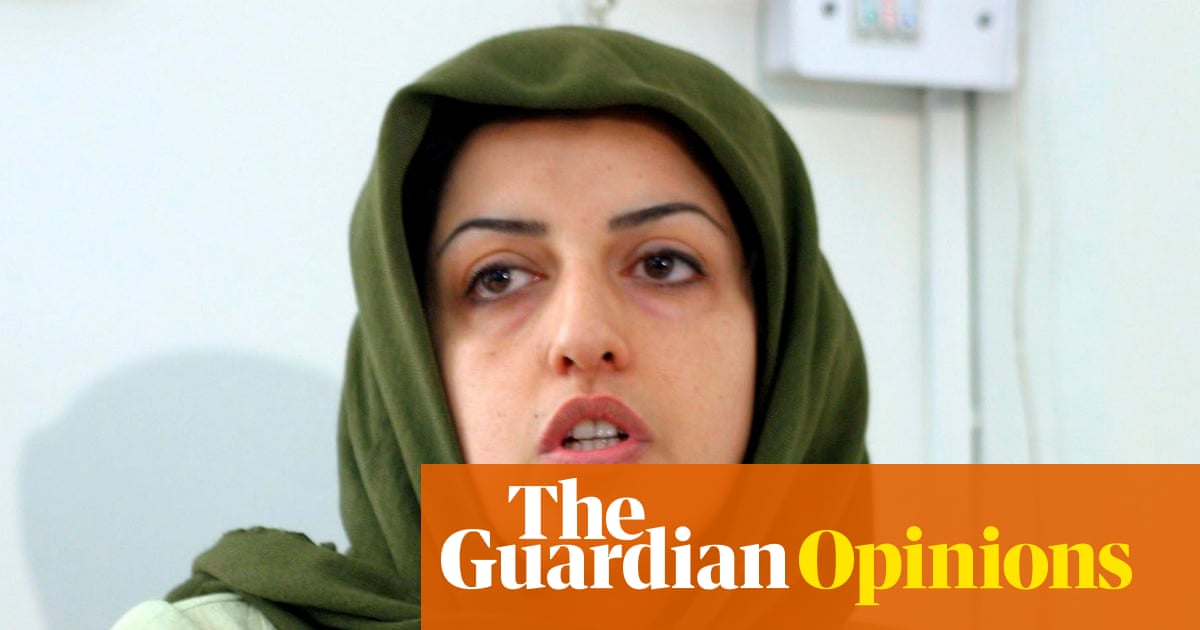
"Authoritarian regimes do not always need an executioner's rope, the Iranian Nobel peace laureate Narges Mohammadi observes in a forthcoming memoir smuggled from her cell. Sometimes, they simply wait for the human body to fail and then make sure no help arrives, or they create conditions in which death can come easily, helping it along by standing in the way of life-saving care. Long denied adequate treatment, Ms Mohammadi is now in a critical condition."
"She was found unconscious in her cell after a suspected heart attack in March and had been experiencing chest pain, loss of consciousness and extreme weight loss. She was finally moved to hospital this month, with authorities approving her transfer to specialist care in Tehran only this week. Supporters fear that she will be sent back to prison if her condition improves. More than 110 of her fellow Nobel laureates have called for her immediate and unconditional release."
"The 54-year-old won the peace prize in 2023 for her fight against the oppression of women in Iran, and to promote human rights and freedom for all. Her persistence and courage have deeply angered the regime, resulting in multiple jailings. Yet her case also stands for that of many of her compatriots, whose human rights are under double attack."
"The government's brutal crackdown on protests killed thousands of Iranians in January. The following month, the US and Israel launched their illegal and reckless war on Iran. UN experts have warned that the conflict dramatically worsened the human rights situation, describing Iranians as under attack from outside and from within. Thousands of Iranians, including civilians, have been killed by US and Israeli strikes."
Authoritarian regimes can avoid direct execution by waiting for the body to fail, preventing help from arriving, or creating conditions that make death easier. Narges Mohammadi, a Nobel peace laureate, has been denied adequate treatment and is now in critical condition. She was found unconscious in her cell after a suspected heart attack in March, following chest pain, loss of consciousness, and extreme weight loss. She was moved to hospital only recently, with approval for specialist care in Tehran granted just this week. Supporters fear she will be returned to prison if her condition improves. More than 110 Nobel laureates have called for her immediate and unconditional release. Her imprisonment reflects broader human rights abuses amid a crackdown on protests and worsening conditions tied to conflict involving Iran.
Read at www.theguardian.com
Unable to calculate read time
Collection
[
|
...
]