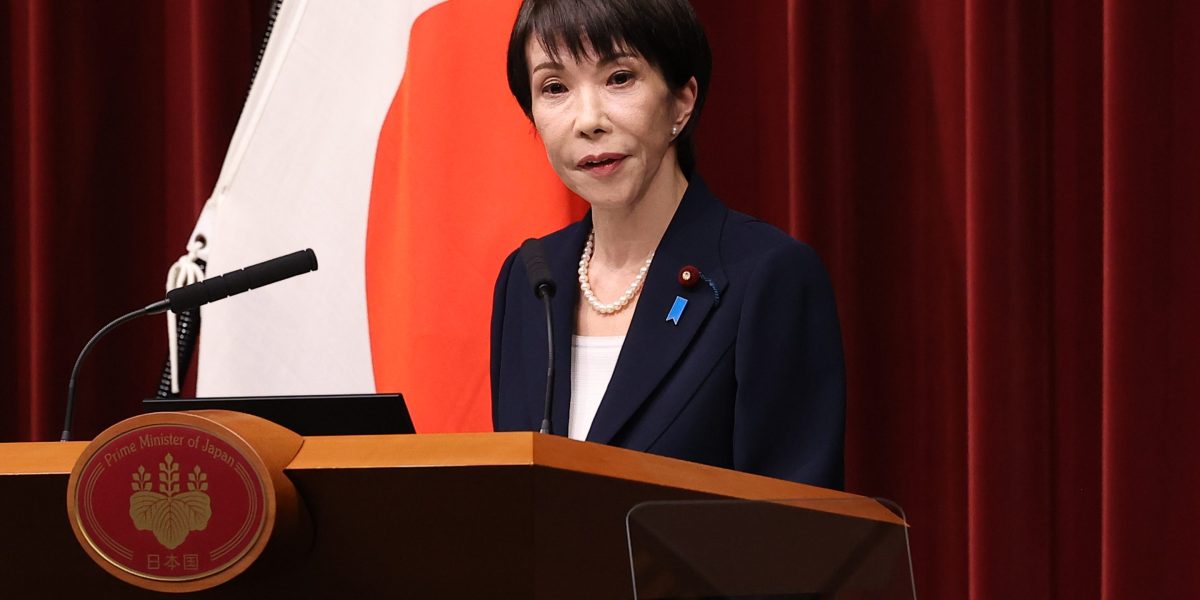
"Japan's debt is already more than 200% of GDP, and Prime Minister Sanae Takaichi's plans for fresh fiscal stimulus are expected to deepen the hole. With snap elections coming up Feb. 8, her opponent is also promising a similar agenda as economic growth remains muted. Investors have started to balk, with JGB yields surging lately amid a string of weak debt auctions over the past year."
""Yet the JGB has unique features going for it, which limit the odds that the next debt crisis will be made in Japan," Yardeni Research said in a note Tuesday, listing several reasons. A key mitigating factor is that at least 90% of JGBs are held domestically, limiting the risk of capital flight. In fact, the Bank of Japan owns over half of all outstanding JGBs. In addition, benchmark interest rates remain at a relatively low level of just 0.75% even after recent increases."
""For decades now, JGBs have been the main asset favored by local banks, corporations, local governments, pension funds, insurance companies, universities, endowments, the postal savings system, and retirees," Yardeni wrote. "This mutually-assured-destruction dynamic dissuades most from selling debt.""
Recent volatility in Japan government bonds has pushed yields higher amid weak debt auctions and investor unease. Public debt exceeds 200% of GDP and proposed fiscal stimulus around snap elections threatens to increase borrowing. Most JGBs are held domestically and the Bank of Japan owns over half of outstanding bonds, helping limit capital flight. Benchmark rates remain relatively low at about 0.75% and a broad base of domestic buyers supports demand. Significant foreign-exchange reserves and Ministry of Finance interventions provide additional tools, but structural vulnerabilities and political choices could still elevate crisis risk.
Read at Fortune
Unable to calculate read time
Collection
[
|
...
]