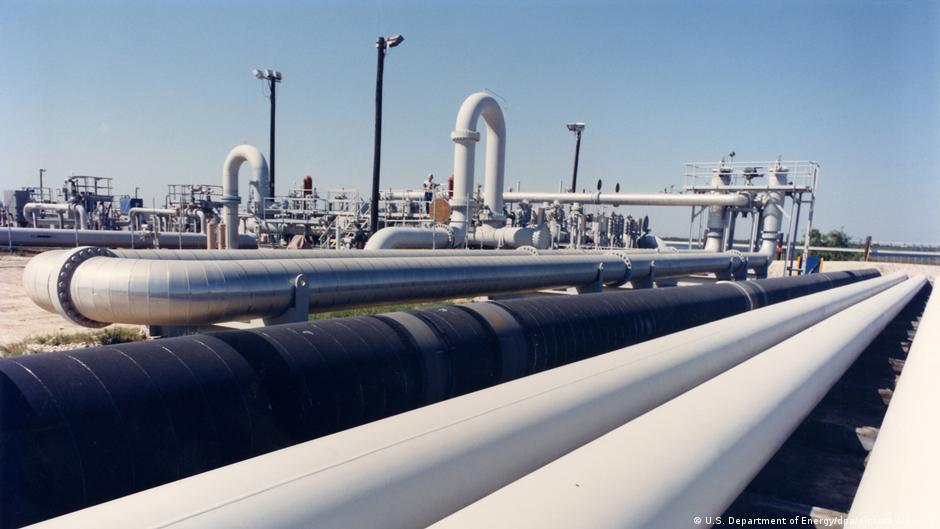
"The members of the International Energy Agency, a coalition of major energy-consuming nations, agreed on Wednesday to release hundreds of millions of barrels of oil from their strategic oil reserves. Instead of helping oil prices lower, the price of Brent crude rose around the $100 a barrel mark toward the end of the week, having spiked to $119.50 for a short time on Monday."
"Since the war started on February 28, Tehran has effectively blockaded the narrow strait, used by Gulf nations to export a fifth of the world's crude oil and gas, mostly to Asia, halting almost all tanker traffic. Major oil producers in the region, including Saudi Arabia, Iraq, Kuwait and the United Arab Emirates, have also cut output as their domestic storage near capacity, further raising concerns about energy market stability."
"A strategic oil reserve is a government-controlled stockpile of crude oil held for use during supply disruptions or market emergencies. The first modern reserve was created by the United States in 1975 after the Arab oil embargo exposed the vulnerability of global energy supplies."
The International Energy Agency coordinated a release of hundreds of millions of barrels from strategic oil reserves across 32 member nations to stabilize soaring crude prices. However, the effort failed to lower prices, with Brent crude remaining around $100 per barrel despite the intervention. Iran's intensified military strikes in the Strait of Hormuz, targeting commercial vessels and oil tankers since February 28, effectively blockaded the critical shipping route through which Gulf nations export one-fifth of global crude oil and gas. Major regional producers including Saudi Arabia, Iraq, Kuwait, and the United Arab Emirates simultaneously reduced output as domestic storage reached capacity, further destabilizing energy markets. Strategic oil reserves, first established by the United States in 1975 following the Arab oil embargo, serve as government-controlled stockpiles deployed during supply disruptions or market emergencies.
#strategic-oil-reserves #iran-strait-of-hormuz #oil-price-volatility #energy-security #international-energy-agency
Read at www.dw.com
Unable to calculate read time
Collection
[
|
...
]