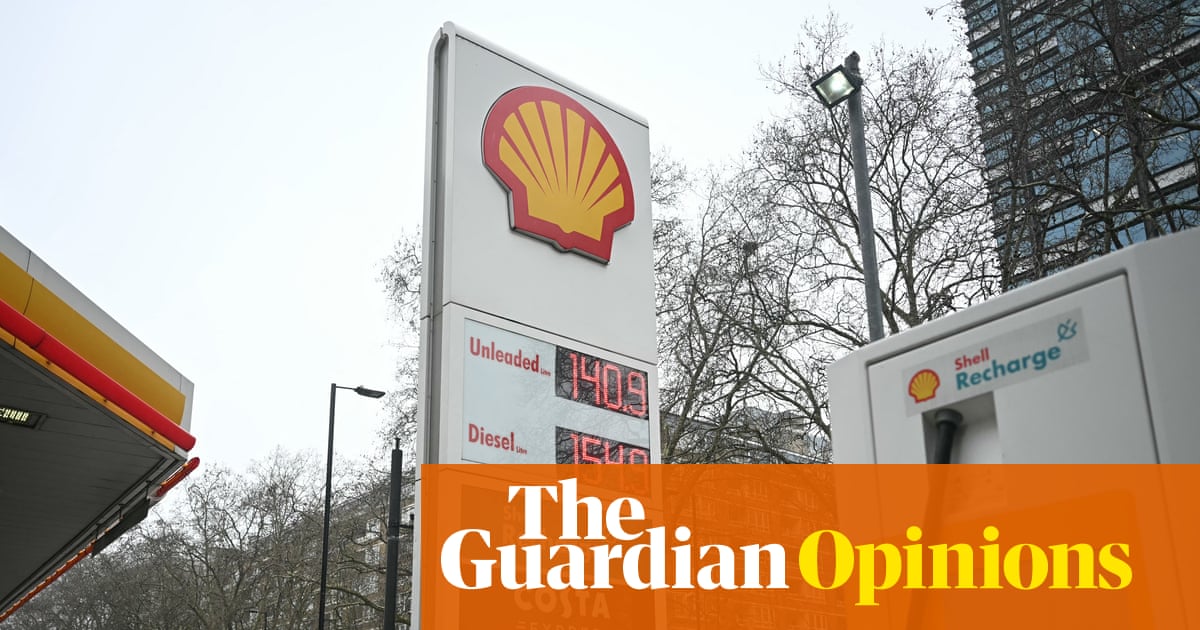
"By about day five, experts were explaining how to lock in your current tariff except, whoops, given the global instability, those tariffs were no longer available. If it felt mercenary to worry about your unit price as people were dying, that's because it was; but considerations of human decency and proportionality aren't going to arrest the trajectory of life getting more expensive."
"There is no personal responsibility you can bring to bear on geopolitics, there are no hatches to batten down: the only reasonable adjustment you can make is to need less stuff. The framing matters: every time someone advises preparedness, they are implicitly suggesting that you have some agency. You have wisdom and the capacity for forethought, which will insulate you against the coming hardship. Which would be great, except it's bananas."
Following attacks on Iran, warnings proliferated about economic consequences including oil price increases to $100 per barrel, energy bill rises, and cascading inflation affecting food and consumer goods. Experts suggested locking in tariffs, but global instability made this impossible. Rising petrol prices drive food inflation, which drives broader inflation, while wages fail to keep pace with costs. Stock markets face potential crashes amid economic uncertainty. However, the framing of these warnings as requiring personal preparedness is flawed. Individuals lack agency over geopolitical events and cannot realistically insulate themselves through forethought. The only viable adjustment is reducing consumption needs, as personal responsibility cannot address systemic economic disruptions caused by international conflict.
#geopolitical-economics #inflation-and-cost-of-living #personal-agency-and-preparedness #middle-east-conflict-economic-impact
Read at www.theguardian.com
Unable to calculate read time
Collection
[
|
...
]