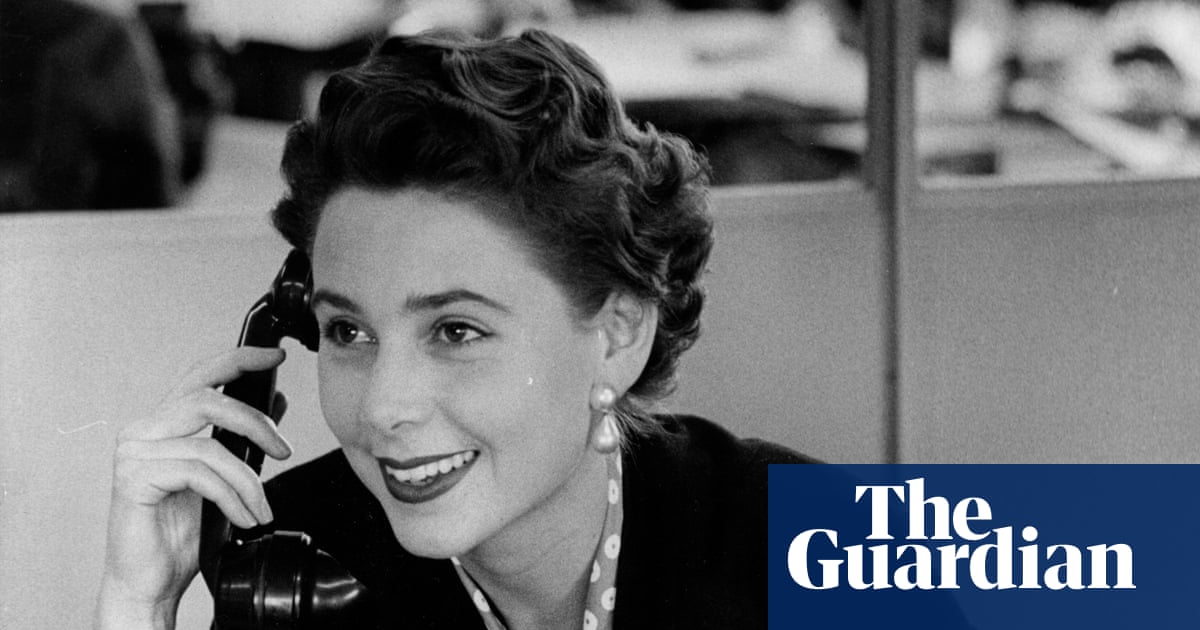
"She had been in print since 17, and remained in it almost to her death. That foreign assignment was a 40s plucky girl reporter stunt, but Beyfus's jobs became both more domestic and more glamorous after, tracking women's roles in newspapers and magazines."
"Beyfus's view, developed over decades, was that courtesy was less about being correct after about 1990, who made and monitored rules of rude? than being considerate, easily putting others at their ease. In a democracy, people could be levelled up by a shared understanding of what were good manners in everything, including, as in her 1992 book Modern Manners, truthfulness about sexual health and competence."
"She made herself the accepted dowager of etiquette, a funnier, defrosted Emily Post, appealed to as a referee, usually by other journalists in want of quotes. They boiled down to: be kind, be interested in and careful of others, including employees, and always apologise, in writing where the offence is great."
Drusilla Beyfus achieved remarkable success entering Fleet Street journalism at age 21 in 1948, an extraordinary accomplishment for a woman without connections during that era. She began her career with adventurous assignments, including reporting from Berlin during the Soviet blockade. Her subsequent work tracking women's roles in postwar Britain informed her influential books on etiquette written between 1957 and 1996. Rather than prescribing rigid rules, Beyfus evolved her philosophy to emphasize courtesy as consideration for others. She became the authoritative voice on modern manners, advocating for kindness, genuine interest in others, truthfulness, and sincere apologies. Her perspective reflected Britain's transformation toward greater social mobility, openness, and reduced deference to authority.
Read at www.theguardian.com
Unable to calculate read time
Collection
[
|
...
]