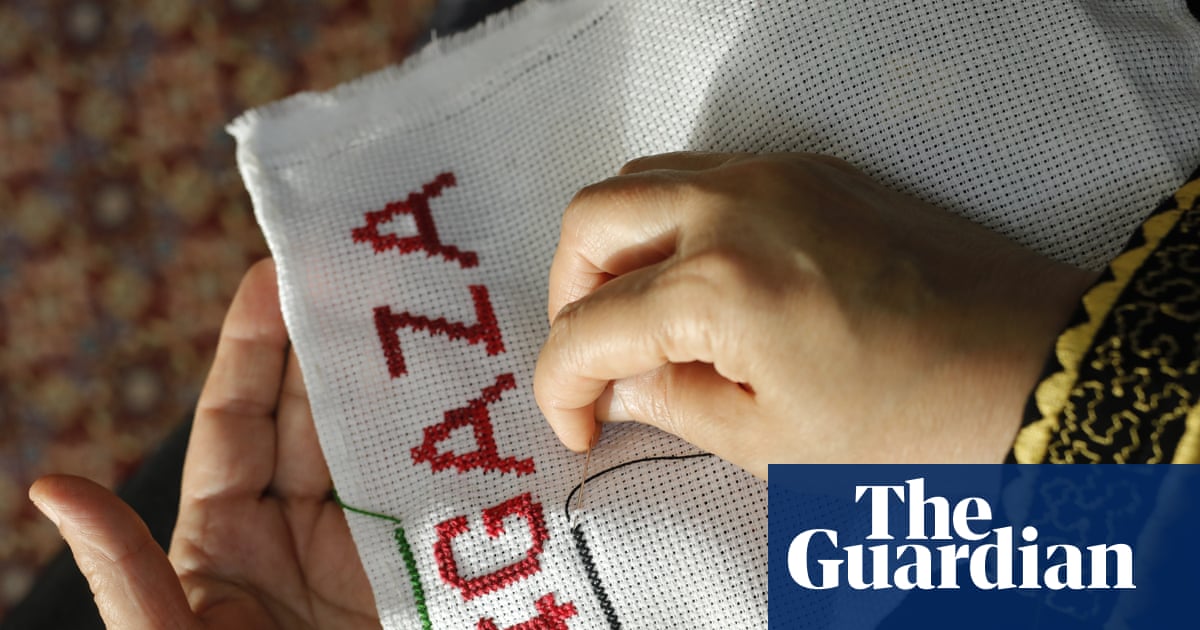
Poetry serves as a form of defense amid rubble and ongoing killings in Gaza, helping people keep hope alive. It provides language for collective grief and documents experiences that cameras cannot reach and numbers cannot explain. When physical spaces are destroyed, poetry becomes a witness to history. A poetry reading celebrated the publication of Folding a River by Alison Phipps, alongside Tawona Sithole, with readings from students across Gaza using mobile devices and limited solar power. Gaza’s university has suffered extensive damage, with many faculty and students killed since the war began, while graduations continued. Palestinian poetry draws on themes of homeland, exile, memory, resistance, love, identity, displacement, and survival, often blending lyrical beauty with political and human testimony.
"Poetry may not be the best response to aerial bombardment, but for many Palestinians it has become a line of defence amid the rubble and ongoing killings in Gaza. Poetry keeps hope alive. Even in the darkest moments, Palestinian poetry continues to imagine a future, Nazmi al-Masri, professor of languages at the Islamic University of Gaza, says at an online poetry event held by his students. Poetry gives people a language to express collective grief, he says."
"In Gaza, poetry documents what cameras cannot always reach and what numbers can never explain. When destruction erases physical spaces, poetry becomes a witness to history. The reading of student work was held to celebrate the publication of Folding a River, a collection by the poet Alison Phipps who is also professor of languages and intercultural studies at Glasgow University along with her Zimbabwean colleague Tawona Sithole."
"With 95% of the Gaza university's buildings damaged or destroyed by the Israeli bombing, all classes are online in precious moments when there is enough solar power to generate a brief online video meeting or, in this case, a poetry reading from disparate parts of Gaza via mobiles, laptops and consoles. Since the beginning of the war, 72 members of the university faculty and 543 students have been killed. In the same period, 2,860 students graduated."
"Palestinian poetry has a long and influential tradition centred on themes of homeland, exile, memory, resistance, love, identity, displacement and survival, Masri says. It often combines lyrical beauty with political and human testimony, especially in response to displacement and war. Some of the students' poems are dedicated to the memory of their teacher, the Gazan poet Refaat Alaree."
Read at www.theguardian.com
Unable to calculate read time
Collection
[
|
...
]