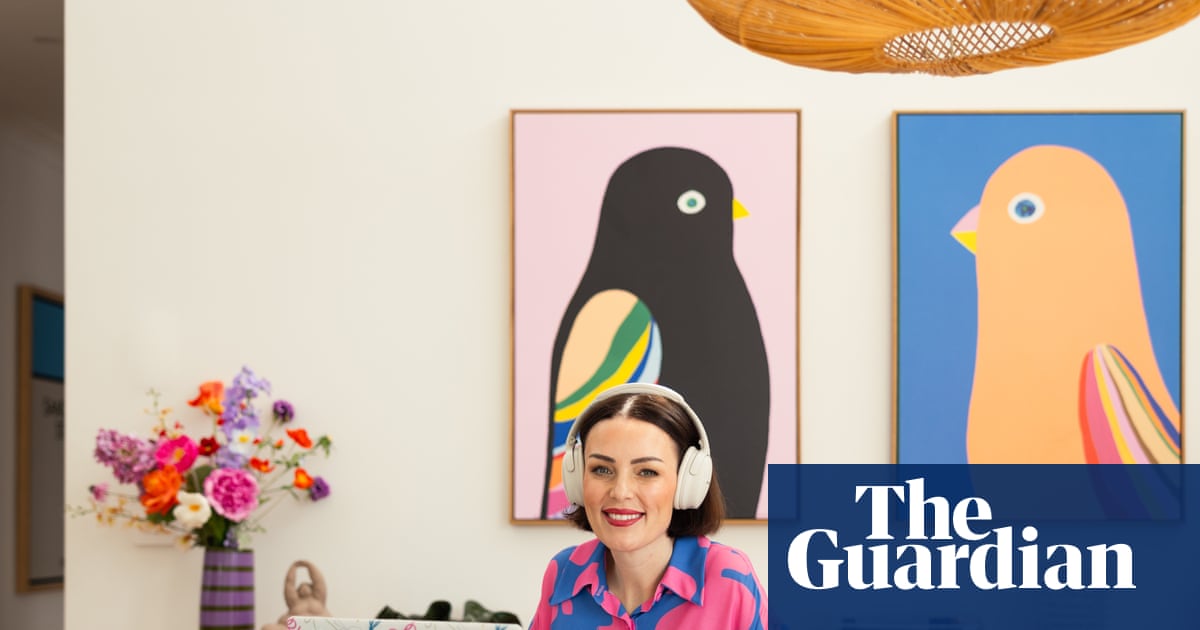
"In the middle of Cherie Clonan's bright Melbourne home sits a room in total darkness, for our son to retreat to, she says. It's all black in there. You wouldn't believe it's the same home! The space, lined with sound-blocking panels, is a sanctuary for her autistic son: a quiet cocoon for decompressing after school. He loves to go in there to game online with his mates, Clonan says."
"As diagnoses of autism and ADHD rise, Clonan is among a growing number of Australians rethinking how their homes can support neurodivergent needs. We all deserve to live in a home that's designed for the way our brains work, Clonan says. We spend so much of our lives trying to fit into spaces that were never built for us. It's an idea echoed by architect and design psychology researcher Dr Jan Golembiewski, who studies how the built environment affects the mind."
A family adapted a Melbourne home to meet diverse sensory needs by creating distinct zones, including a completely dark, sound-blocked room for decompression and online gaming. The family mapped sensory profiles using the Dunn Model of Sensory Processing, revealing a split between sensory-seeking and sensory-avoidant members. One parent, diagnosed autistic later in life, reshaped the house around those needs. Rising diagnoses of autism and ADHD are prompting more Australians to consider how homes can be deliberately designed to match brain differences. Design psychology research suggests the built environment can ease symptoms and promote focus through intentional affordances.
Read at www.theguardian.com
Unable to calculate read time
Collection
[
|
...
]