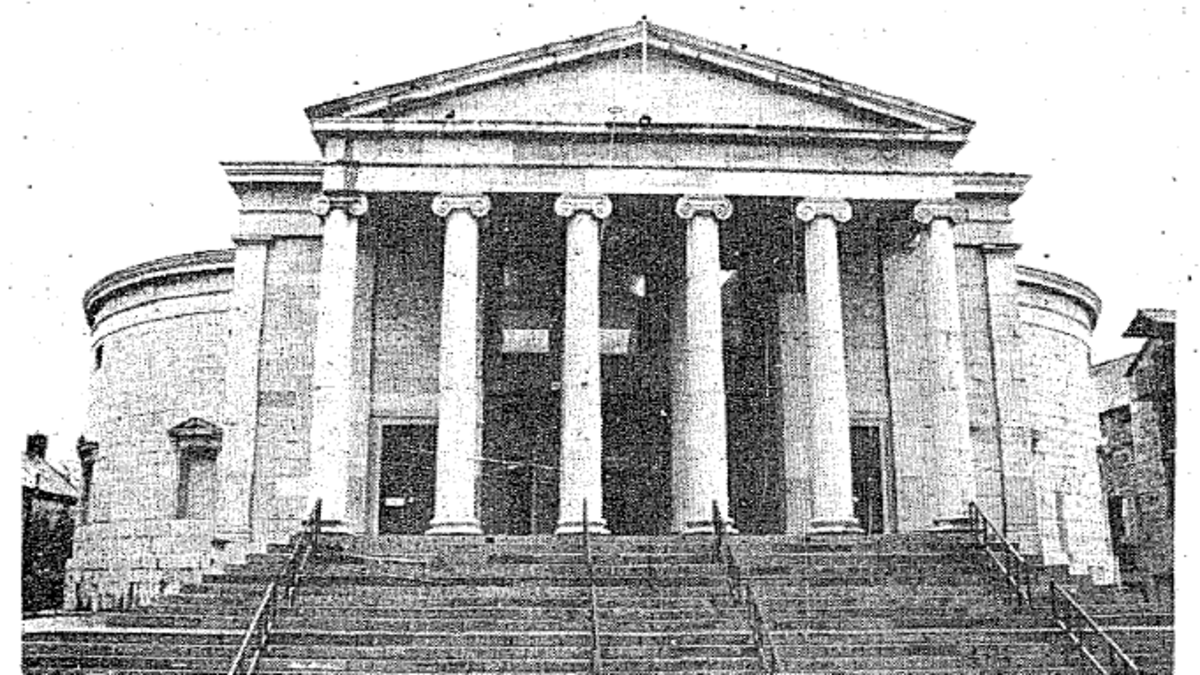
Between 1750 and 1850, Ireland saw major construction of public buildings, housing, churches, schools, military barracks, and supporting transport infrastructure. Courthouses were central to county administration and served as visible symbols of British imperialism. In county capitals, classical courthouse architecture often reflected rivalry among local elites and access to central government funding. Courthouses also existed in small towns, with more than 600 serving as courthouses across Ireland in the 1880s, later declining to fewer than 120. Examples range from Georgian designs to small stone cottages, and some have disappeared and been replaced by parks. Remaining buildings raise questions about preservation versus active legal legacy, and about how to repurpose them if they stop functioning as courthouses. The Ministry of Justice funded restoration of seven historic courthouses, showing ongoing investment in their future.
"For a century, between 1750 and 1850, the Irish streetscape was set by an unprecedented construction of new public buildings, housing, churches, schools and military barracks connected by new roads, canals and, later, railways. Chief amongst these was the courthouse, which was both a symbol of British imperialism and, in county towns, the centre of local administration. In county capitals, grandiose classical architecture was often the product of fierce rivalry between county elites who competed to impress touring judges and make use of generous central government funding."
"But even the smallest towns held courthouses. More than 600 buildings once served as courthouses across Ireland in the 1880s, though these have dwindled to fewer than 120. Kerry had at least 22 courthouses representing 27 districts, and they came in all shapes and sizes, from the grand Georgian house style overlooking the hills of Listowel, a design loved and replicated across Ireland, to the quaint stone cottage of Abbeydorney, with its pitched roof, brick chimneys and rubble stone walls."
"Of those that remain, the question of how to mark their dappled history is contested in the Dáil, at local councils, even around the dinner table. Do we honour the past sufficiently through the preservation of bricks-and-mortar? Or is it action itself, the performance of a non-tangible legal legacy, that honours history best? If these buildings cease to function as courthouses, how can they be preserved and integrated into daily life, and what does this mean for urban centres? If repurposed, what does their role become?"
"The questions are more than merely philosophical. The Ministry of Justice invested between €140m and €150m on the restoration of seven historic courthouses at the end of the last decade. This investment did not extend to Tralee's own 1833 courthouse but the Courts S"
Read at Irish Independent
Unable to calculate read time
Collection
[
|
...
]