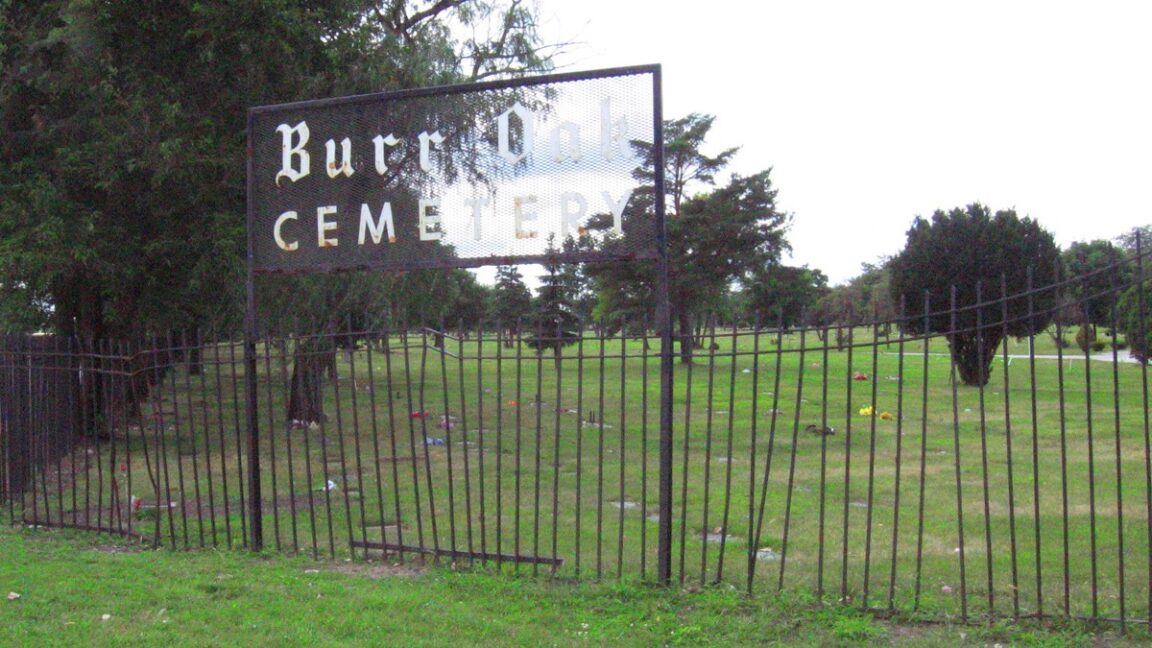
"The cemetery had space for 130,000 graves, but between 140,000 and 147,500 people were listed as buried there. The only reason they were caught is because they became increasingly reckless about their grave-robbing, even using a backhoe to dig up old graves, smashing skeletons to bits as they did so. Some 1,500 bones were recovered and identified as belonging to at least 38 individuals."
"Moss is a little bit freaky. Mosses have an interesting physiology, where even if they're dry and dead and preserved, they can still have an active metabolism, a few cells that are still active. The amount of metabolic activity deteriorates over time, and that can tell us how long ago a moss sample was collected. The key was chlorophyll, a green pigment."
A cemetery investigation uncovered a grave-robbing scheme where officials buried more people than the facility's capacity allowed. The director, grounds foreman, and employees used heavy equipment to desecrate between 200 and 400 graves, destroying skeletal remains. Approximately 1,500 bones from at least 38 individuals were recovered, including Emmett Till's casket. Prosecutors built their case using physical evidence including skeletal remains, broken branches, and grass fragments. The FBI consulted moss experts to analyze samples found buried with reburied remains, using chlorophyll levels to establish a timeline for when the remains had been reburied, providing crucial evidence for the prosecution.
Read at Ars Technica
Unable to calculate read time
Collection
[
|
...
]